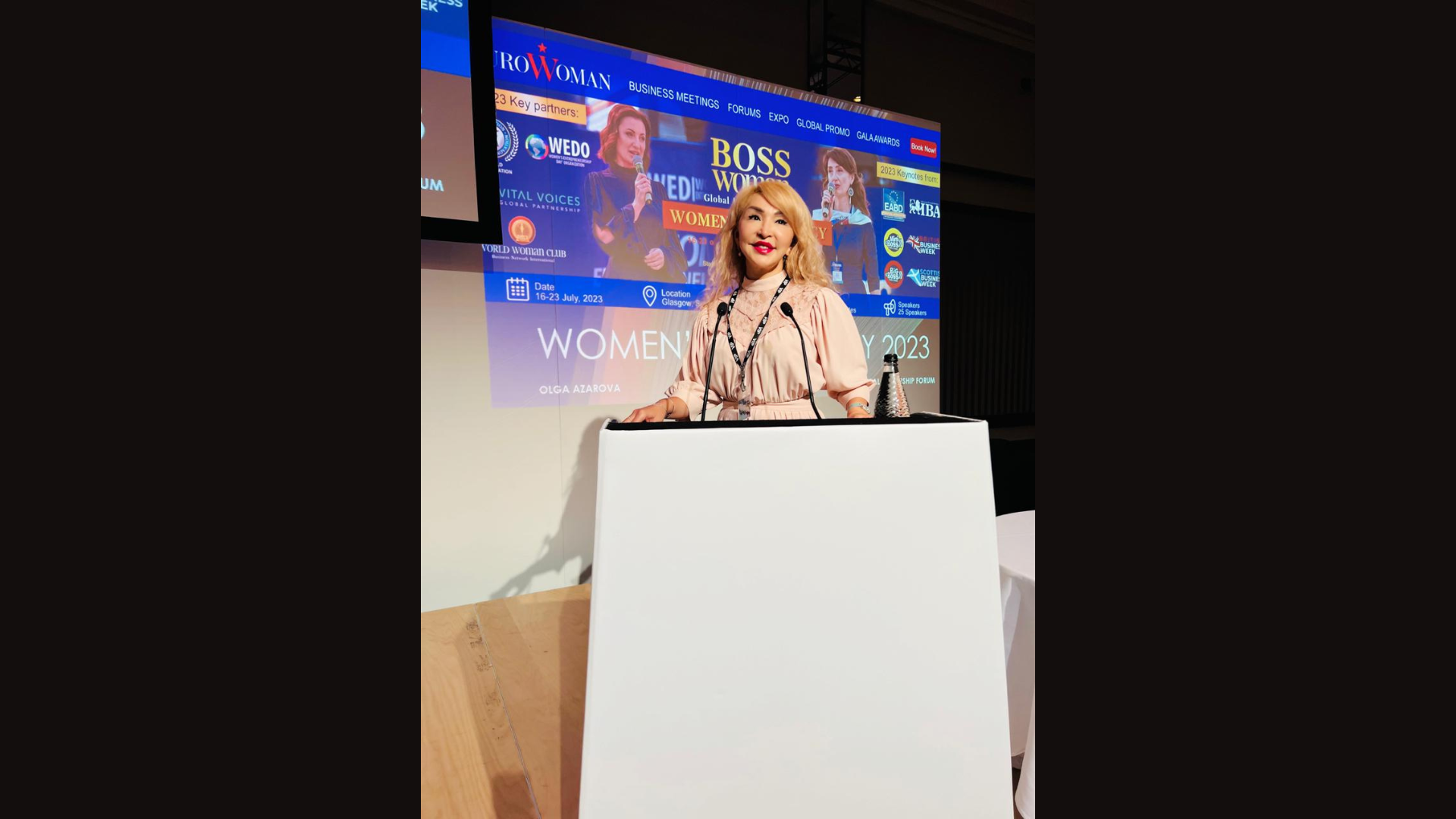
Redefining Influence in an Age of Noise: The Intellectual World of Zhanna Utarbayeva

We live in a time where visibility is mistaken for strength and emotional expression is often confused with authenticity. In this environment of constant reaction and oversharing, author Zhanna Utarbayeva presents a body of work that moves decisively in the opposite direction. Through her three books, she examines power, relationships, and human behavior from a perspective that values restraint, structure, and deep awareness over impulse and spectacle.
At the heart of her philosophy is a belief that real influence does not announce itself. In Logic Over Feeling: Invisible Power, Utarbayeva dismantles the modern idea that leadership must be loud, transparent, and emotionally expressive to be effective. She argues that much of what is celebrated today as power is performative and fragile, built on explanation and the constant pursuit of approval. In contrast, true authority operates quietly. It is grounded in strategic silence, emotional control, and the ability to act without the need to be fully understood. The book encourages readers to look beyond surface level confidence and recognize how outcomes are shaped in spaces where discretion, logic, and restraint prevail.
This emphasis on structure continues in her exploration of romantic relationships. In Love Structure: Understand It Well, Utarbayeva addresses the growing instability seen in modern partnerships between men and women. Rather than offering comforting narratives or idealized visions of romance, she approaches love as a system that requires a stable framework to survive. Drawing on biological, psychological, and cultural realities, she challenges the belief that passion alone is enough to sustain long term connection. According to Utarbayeva, structure does not suppress intimacy. Instead, it provides the grounding necessary for love to evolve without becoming chaotic, resentful, or fragile in the face of conflict.
Her third book shifts focus to the subtle mechanics of human interaction. Centered on psychological intelligence, it explores how much of human communication occurs beyond spoken language. Utarbayeva highlights the importance of reading unspoken signals, understanding behavioral patterns, and maintaining inner composure in high pressure situations. In leadership, business, and personal life, she observes that those who succeed are often not the most vocal, but the most perceptive. This form of intelligence is not instinctive or manipulative. It is a skill developed through patience, ethical awareness, and sustained observation.
Taken together, Zhanna Utarbayeva’s three books form a coherent intellectual framework. Each challenges dominant cultural assumptions and invites readers to reconsider how power is exercised, how love is maintained, and how influence truly works. Rather than offering quick solutions or motivational slogans, her writing demands reflection and discipline. In doing so, it offers a rare alternative to a world driven by noise, reminding readers that mastery often belongs to those who understand what remains unseen.