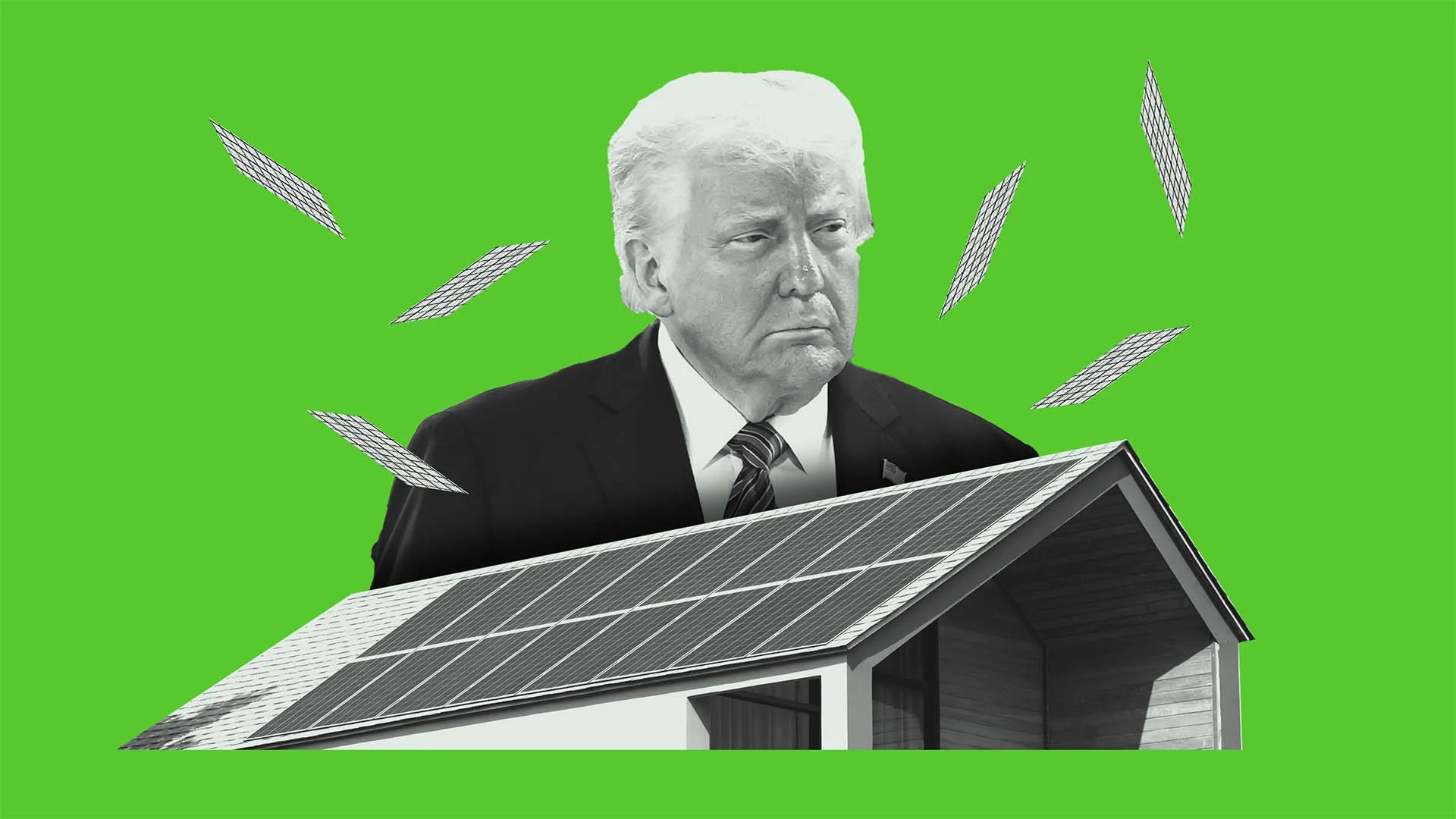

A Booming Industry Faces a Sudden Threat
The U.S. solar power industry is in the middle of a record-setting growth phase. Backed by strong federal tax incentives, billions of dollars have flowed into solar projects, especially in rural areas and Republican districts. But now, that progress may be at serious risk.
House Republicans just passed a sweeping tax bill — dubbed “Trump’s big, beautiful bill” — that could eliminate the very tax credits that fueled the clean energy boom. If it becomes law, experts warn the impact on the solar industry could be devastating.
What’s in the Bill?
At the heart of the bill is a move to repeal federal tax credits for renewable energy, including solar. These incentives have been a major driver of growth, making solar power cheaper, creating tens of thousands of jobs, and encouraging private investment.
Under the new legislation, those tax credits would be eliminated or severely limited. For many solar companies, that changes the math — and the entire business model.
According to analysts at investment bank Jefferies, the bill is a “worse-than-feared scenario” for solar. It could slash investment, halt new projects, and put thousands of jobs at risk.
Stocks React: Solar Market Tumbles
The solar sector didn’t wait for the bill to become law. On Thursday, solar stocks across the board sold off sharply after news of the House vote broke. Investors are clearly spooked.
Many solar CEOs had assumed that Republican lawmakers would protect clean energy projects in their own districts. After all, solar farms have brought jobs and investment to many red states.
But this bill suggests those assumptions may have been wrong — and now, the industry is scrambling to reassess its future.
What This Could Mean for Consumers
It’s not just solar companies that would suffer if the bill becomes law.
Without tax credits, solar projects become more expensive to build. That cost would likely be passed down to consumers in the form of higher electricity prices. At a time when energy demand is rising, the U.S. could end up with fewer clean energy options and higher energy bills.
And while fossil fuel industries may benefit in the short term, cutting off support for solar could stall America’s shift to cleaner, more sustainable energy sources — a shift many experts say is urgently needed.
Will the Senate Block It?
For now, the bill has only passed the House. It still needs approval in the Senate, where political analysts expect the most extreme provisions to be challenged or removed.
Jefferies analysts say the Senate may see the bill as “unworkable” in its current form, particularly due to the backlash from both clean energy advocates and companies who’ve invested heavily in solar infrastructure.
However, with a divided Congress and the 2024 election still reverberating through Washington, nothing is guaranteed.
A High-Stakes Moment for Clean Energy
What happens next could define the future of clean energy in the U.S.
If the bill passes as written, it could derail years of momentum and progress. If it’s stopped or significantly altered in the Senate, solar may have a chance to regroup.
In the meantime, clean energy companies, investors, and advocates are watching closely — and warning that a rollback of tax credits doesn’t just threaten their industry. It threatens jobs, energy security, and the broader climate goals the U.S. has pledged to pursue.
Final Thoughts
The stakes are enormous. The solar industry has grown rapidly thanks to smart policy, innovation, and public demand for cleaner energy. But all of that is now on the line.
Trump’s “big, beautiful bill” may be popular with some conservatives — but for the solar sector, it’s a potentially disastrous turn of events. Whether the Senate steps in to soften the blow could determine whether America’s clean energy revolution keeps going — or gets knocked off course.