
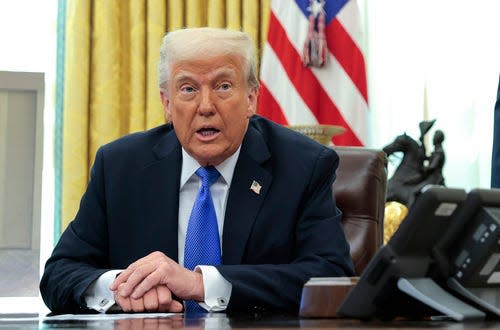

A Game-Changing Tariff That Could Shake the Global Economy
In an explosive new announcement, President Donald Trump just dropped a bombshell that could send shockwaves through the global oil market and change U.S. foreign relations forever. Starting April 2, countries that continue to buy oil and gas from Venezuela will face a staggering 25% tariff on ALL trade with the United States.
Is this the final nail in the coffin for the U.S.-Venezuela relationship? Will it put even more pressure on China and its oil addiction? Let’s break down the stunning move and what it means for the future of global trade.
Trump’s Big Announcement: 25% Tariff on Countries Doing Business with Venezuela
A Tariff That Could Cost Billions
President Trump took to his Truth Social platform on Monday to announce a game-changing tariff: any country that buys oil or gas from Venezuela will now be slapped with a 25% tariff on all trade with the U.S. Starting on April 2, this tariff will affect nations like China, India, and Spain, who have been key buyers of Venezuelan crude oil.
For countries already facing high tensions with the U.S., this could be a financial nightmare. And for Venezuela, it could mean further isolation on the world stage. The stakes couldn’t be higher, and the global market is watching.
Why Venezuela and Why Now?
Venezuela, a country already under U.S. sanctions, has been relying heavily on its oil exports to stay afloat. Despite ongoing political turmoil, countries like China, India, and Spain have continued to purchase its oil. Trump’s move is aimed directly at pressuring those countries into compliance.
But here’s the twist: this isn’t just about Venezuela. This is about sending a strong message to China, the biggest buyer of Venezuelan oil. If China continues to do business with Venezuela, it could face even more retaliation from the U.S. The question is: will China blink, or will it risk economic chaos for the sake of its relationship with Maduro?
The Economic Impact: What This Tariff Means for Oil Prices
Global Oil Prices Set to Skyrocket
Since Trump’s announcement, global oil prices have already started to climb. Brent crude futures shot up 0.85% to $72.77 a barrel, and U.S. West Texas Intermediate crude jumped 0.86% to $68.87. Analysts are predicting that oil prices could rise even further if this tariff comes into play.
With fewer countries willing to buy Venezuelan oil, the global supply could tighten—pushing prices higher and further straining economies that are already struggling with inflation.
Could This Tariff Cause a Ripple Effect in the Global Economy?
As the largest buyer of Venezuelan crude, China stands to lose the most from this new policy. But it’s not just about oil; this tariff could set off a domino effect that impacts other industries and commodities around the world. Will this be the tipping point that leads to a full-blown economic clash between the U.S. and China? Time will tell, but one thing is clear: this tariff is far from a small issue. It’s the beginning of a much bigger geopolitical battle.
China’s Dilemma: Keep Buying Oil from Venezuela or Face the Consequences?
Is China About to Make a Deal with the Devil?
China has been one of Venezuela’s largest oil customers, buying 270,000 barrels per day in 2024. Trump’s tariff announcement is a direct challenge to China’s relationship with Venezuela, but will China choose its oil supply over its relationship with the U.S.?
With this new tariff, China faces a tough decision: continue buying Venezuelan oil and pay the 25% tariff, or cut ties with one of its most important oil suppliers and risk economic instability. If China chooses the latter, it will be forced to find oil elsewhere, which could drive up global oil prices even further. Either way, this policy is a headache for Beijing.
Will China Keep Its Promise to Venezuela?
This is the critical question. China has invested heavily in Venezuela, and its oil imports are part of a larger geopolitical strategy. Will Beijing prioritize its long-term alliance with Venezuela or back down to avoid economic fallout with the U.S.?
This situation has the potential to reshape U.S.-China relations in ways we’ve never seen before. And the entire world will be watching.
What This Means for the U.S. and Its Allies
Could the U.S. Start Targeting More Countries?
The 25% tariff on Venezuela could just be the beginning. If this policy proves effective, Trump might expand it to other countries that continue to trade with Venezuela or other U.S. adversaries.
Countries like India and Spain are also major buyers of Venezuelan crude. Will they start to feel the heat too? And what happens if other oil-exporting nations, like Russia or Iran, get caught in the crossfire? This tariff could have a ripple effect that impacts not just Venezuela, but the entire global oil market.
The End of the Venezuela Oil Era?
What’s Next for Venezuela?
Venezuela has been under U.S. sanctions for years, and this new tariff could be the final blow to its struggling oil industry. With fewer countries willing to buy its crude oil, Venezuela may be left with no choice but to turn to its allies in China and Russia. However, this could further isolate Venezuela from the rest of the world and reduce its ability to participate in global trade.
This could also make it even harder for the Venezuelan government to stay in power. With less oil revenue, the Maduro regime may face more economic turmoil, further destabilizing the country.
A New Era of Tariffs and Trade Wars?
Trump’s 25% tariff on countries buying oil from Venezuela is a bold and aggressive move that could change the course of U.S.-China relations and the global oil market. With oil prices on the rise, countries like China and India are now forced to rethink their strategy, while Venezuela faces an even bleaker economic future.
Will this tariff lead to the end of the U.S.-Venezuela oil trade? Will it spark a new global oil crisis? Only time will tell, but one thing is for sure: President Trump’s announcement is one of the most dramatic moves in the ongoing trade war, and it’s only just beginning.

