
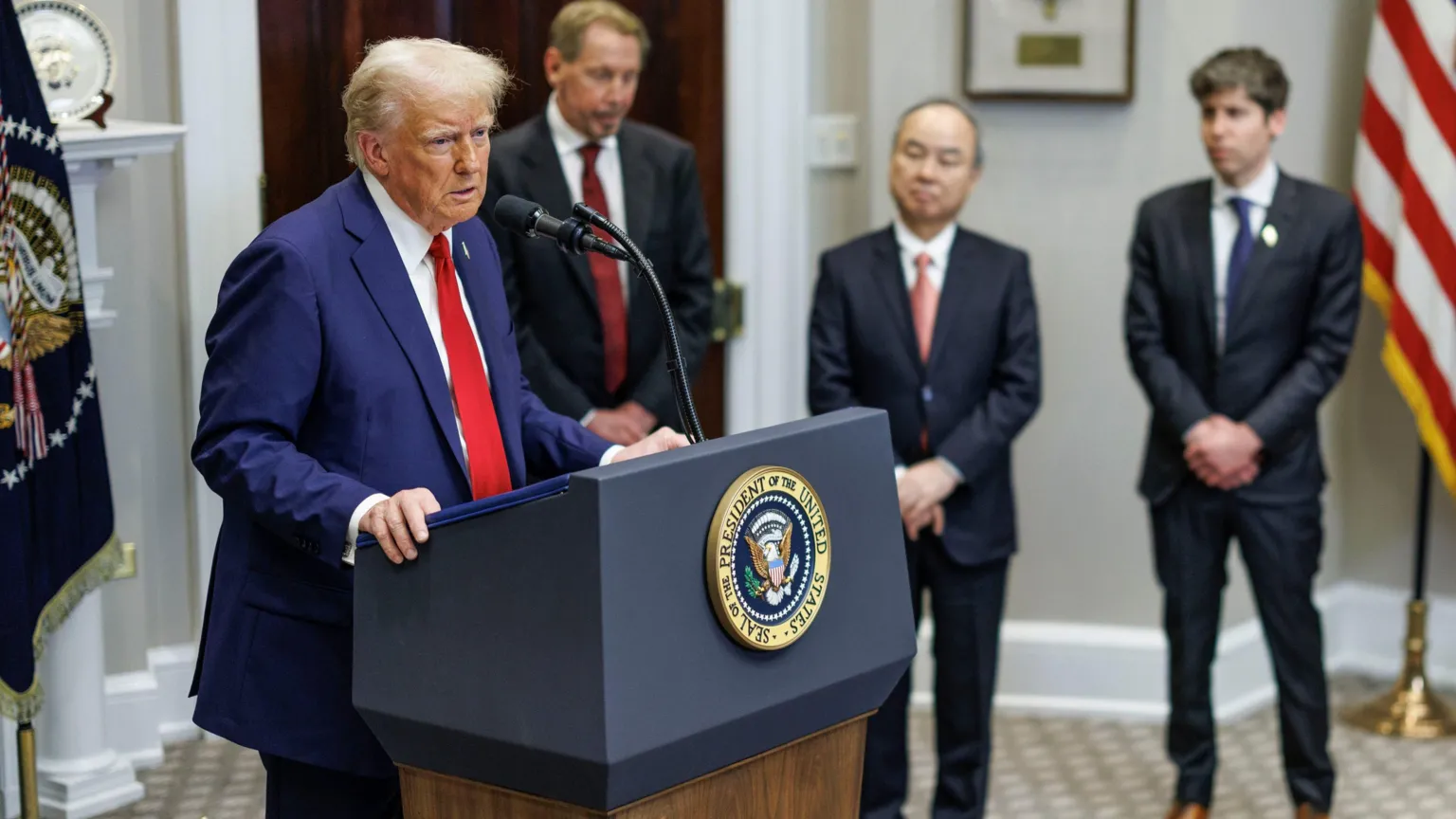
Trump Warns of Tariffs on the EU and UK: Could a Trade Deal with Britain Be in the Cards?

U.S. President Donald Trump is once again making waves in global markets with his threat to impose new trade tariffs on two of the U.S.’s biggest trade partners—the European Union (EU) and the United Kingdom (UK). But in a twist, Trump signaled that there might still be a chance for a trade deal with Britain. Here’s what you need to know about these developments and what they could mean for global trade.
New Tariffs on the Horizon?
President Trump is known for his tough stance on trade, and he’s once again pushing forward with his tariffs agenda. On Sunday, he confirmed that the U.S. would soon impose tariffs on imports from the EU and the UK. However, he hinted that the U.K. might be able to work out a deal to avoid these tariffs, thanks to their more “balanced” trade relationship with the U.S.
In a series of comments, Trump made it clear that the EU’s trade practices were causing serious concern. He said that the EU had been “exploiting” the U.S. for years, describing the trade relationship as an “atrocity.” Trump emphasized that Europe was taking advantage of American goods while not returning the favor.
What Are Tariffs and Why Do They Matter?
A tariff is a tax on goods that one country imports from another. When a country imposes tariffs on imports, the cost of those goods rises, which can hurt the companies and consumers buying them. Trump has used tariffs as a tool to address what he sees as unfair trade practices and trade deficits. By raising the cost of imports, he hopes to boost U.S. businesses and bring jobs back home.
However, critics argue that tariffs are a double-edged sword. While they might benefit some U.S. industries, they can also lead to higher prices for consumers, especially for everyday goods like electronics, cars, and food.
Why the EU is on Trump’s Radar
Trump’s focus on the EU seems to be driven by the trade surplus the European bloc holds with the U.S. European Commission data from 2023 reveals that the EU had a trade surplus of $159.6 billion with the U.S. in goods. This means the EU exports far more to the U.S. than it imports, creating an imbalance that Trump has long criticized.
The main exports from the EU to the U.S. include machinery, vehicles, chemicals, and pharmaceutical products. Trump’s frustration stems from the fact that the U.S. imports millions of cars and tremendous amounts of farm products from Europe, but the EU doesn’t take enough American-made goods in return.
In an interview with the BBC, Trump said, “They don’t take our cars, they don’t take our farm products, they take almost nothing, and we take everything from them.” This, in his view, creates an unfair trade situation that needs to be addressed.
Could the U.K. Avoid Tariffs?
While Trump is unhappy with the EU, he appears to have a different approach toward the UK. In a more optimistic tone, Trump suggested that there might be room for negotiation. He pointed out that the U.K. has a more balanced trade relationship with the U.S. and that he believed a deal could still be worked out.
In fact, Trump has a strong relationship with the UK’s Prime Minister Keir Starmer, and this could open the door for a trade agreement between the two countries. Trump even said, “The U.K. is out of line. But I’m sure that one, I think, that one can be worked out.”
The Larger Trade War Picture
Trump’s decision to impose tariffs comes after he followed through on previous threats to hit Mexico, Canada, and China with levies. These tariffs—25% on imports from Mexico and Canada and 10% on Chinese goods—are set to go into effect soon, which has already rattled markets globally.
In response, all three countries—Canada, Mexico, and China—have voiced their anger at these tariffs. Canada has already retaliated with its own sanctions, while Mexico has threatened similar measures. China, meanwhile, has vowed to take the issue to the World Trade Organization (WTO) to seek legal redress.
Trump’s Goal: Fixing the Trade Deficit
Trump has long pointed to America’s trade deficit—the difference between the value of imports and exports—as a major issue. He argues that tariffs are necessary to level the playing field and force other nations to buy more U.S. products, which would ultimately boost American jobs and economic growth.
While some industries in the U.S. might benefit from this protectionist approach, critics warn that tariffs could raise prices for consumers, hurt international relationships, and even disrupt global supply chains.
The Fallout from Tariffs
The global market has been feeling the pressure of these tariff threats, and stock prices are already showing signs of volatility. Trade wars can have ripple effects that reach far beyond the countries involved. Consumers in the U.S. might face higher prices, while businesses that rely on imports may see their costs rise.
The EU, for example, could retaliate with its own set of tariffs on U.S. goods, leading to a tit-for-tat escalation. That could affect everything from cars to electronics, and possibly even everyday products like food and clothing.
What’s Next for the U.K. and EU?
As for the U.K., it might be able to negotiate a deal with the U.S. to avoid tariffs, but only time will tell. The key will be whether Britain can reach a trade agreement that satisfies Trump’s concerns about the trade imbalance.
For the EU, however, the situation seems more complicated. With a large trade surplus and persistent tension over the balance of imports and exports, tariffs could be looming on the horizon. If those tariffs do come into effect, both sides will likely feel the impact on their economies.
Final Thoughts: Trade Tensions Ahead?
President Trump’s tariffs have already set the stage for a global trade showdown. As he moves forward with plans to impose levies on the EU and U.K., the world is watching closely to see whether a deal with Britain is possible. With Mexico, Canada, and China already pushing back, the question remains: will Trump’s tariffs succeed in rebalancing the trade scales, or will they spark a larger trade war that hurts everyone?
Only time will tell, but one thing is clear: the U.S. is ready to fight for a better trade deal. And the rest of the world will be watching closely.

