Trump vs Lula: Explosive Trade War Ignites as US Slaps Brazil with Jaw-Dropping 50% Tariff

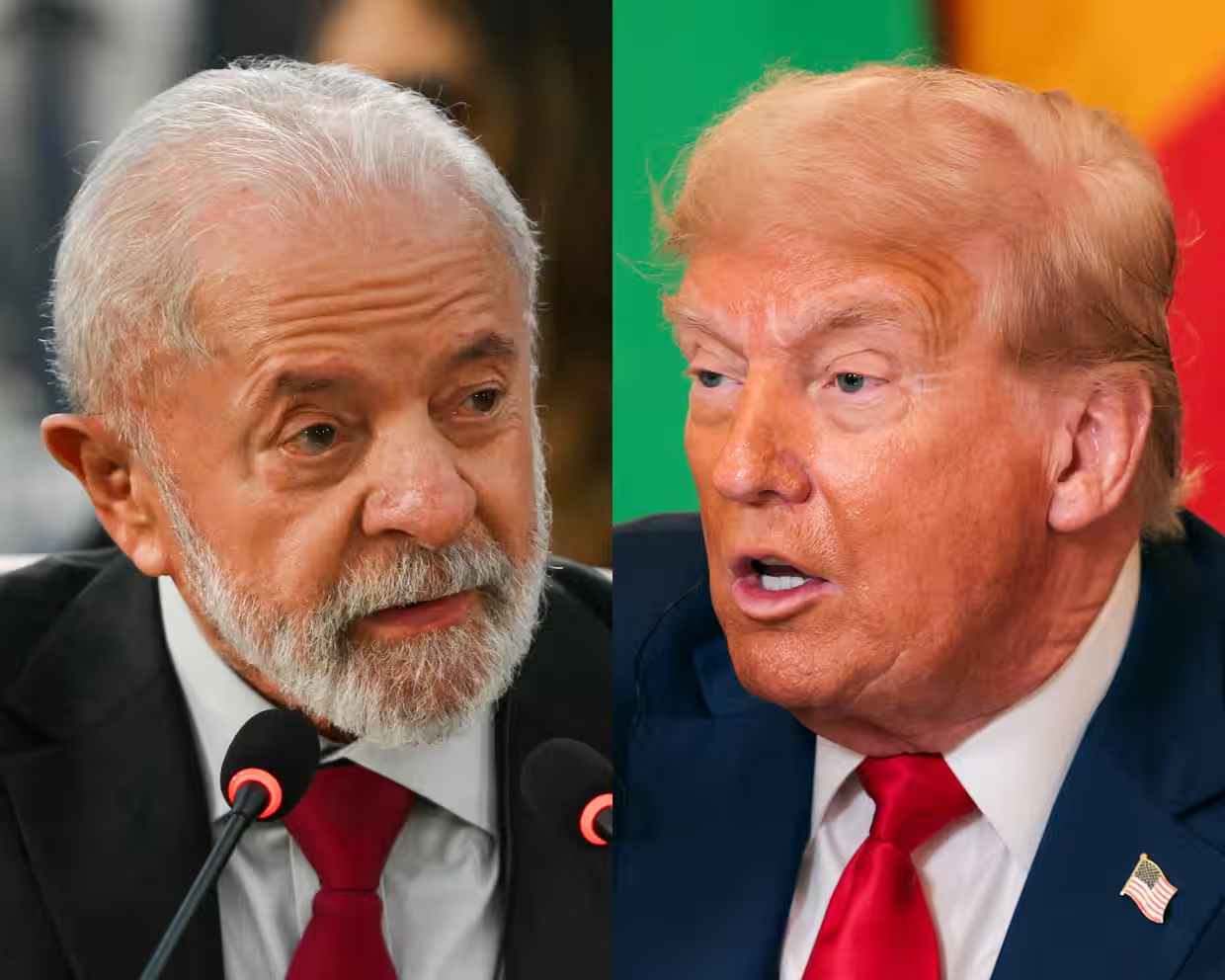
In a stunning escalation of global trade tensions, Donald Trump has announced a crushing new 50% tariff on Brazilian goods, set to take effect August 1 — sending shockwaves through Latin America’s largest economy and sparking a fiery response from Brazilian President Luiz Inácio Lula da Silva.
What Sparked This Fiery Clash?
Trump’s announcement came in an unusually aggressive letter to Lula, signaling a sharp break from the typically formal diplomatic tone the US employs in trade disputes. This tariff is not only the steepest levied this week but also targets Brazil — a country with which the US has enjoyed a trade surplus for nearly two decades.
Brazil’s president has condemned the move as a blatant attack on his country’s sovereignty, vowing to retaliate and protect Brazil’s economic interests.
Why Brazil? Why Now?
The US claims the tariff is a response to unfair trade practices and seeks to protect American industries from Brazilian competition. But experts say the move is likely more about sending a message to Latin America and asserting US dominance on the global stage — even at the risk of destabilizing key trade relationships.
Lula Fires Back: Retaliation Looms
Brazil has not taken the tariff lying down. Lula has threatened to impose counter-tariffs of up to 50% on American goods, threatening to ignite a tit-for-tat trade war that could severely impact both economies.
The stakes are high: both nations are major trading partners, and escalating tariffs could disrupt everything from agricultural exports to manufacturing supply chains.
What This Means for You: Global Trade on Edge
If this trade war escalates, consumers on both sides could face higher prices on everyday goods, from food to electronics. Industries could suffer, and the ripple effects could destabilize global markets already reeling from recent economic shocks.
A New Era of Trade Hostility?
Trump’s hardline tariff moves — including recent actions against Canada and other countries — suggest a growing trend towards protectionism that may redefine global trade in the coming years.
Will diplomacy prevail, or are we headed toward a full-scale trade war that could reshape economic alliances and markets worldwide?