Trump Administration Moves to Scrap Key Climate Rule Linking Greenhouse Gases to Public Health

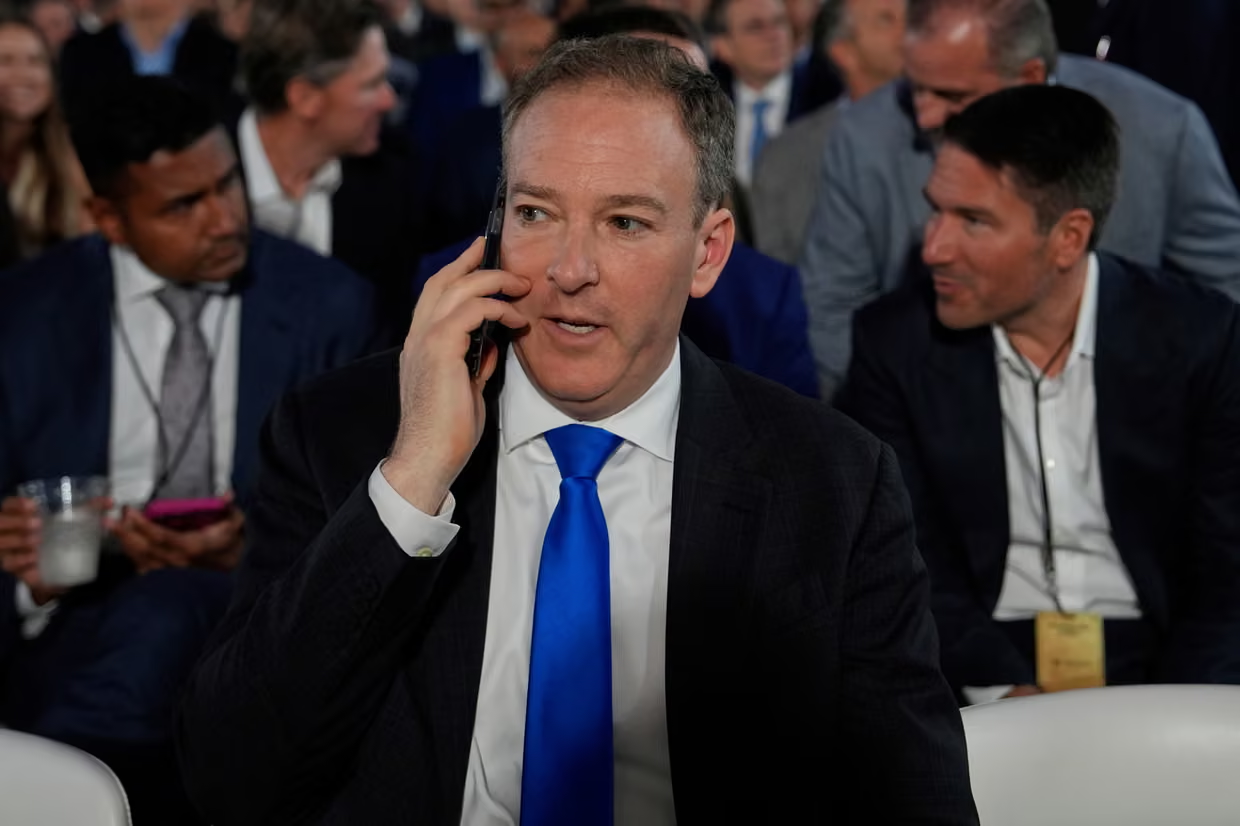
The Trump administration has announced a major rollback on climate policy by proposing to revoke a foundational scientific finding that has driven U.S. efforts to regulate greenhouse gas emissions for over a decade. The Environmental Protection Agency (EPA), led by Administrator Lee Zeldin, revealed plans to eliminate the 2009 “endangerment finding” that identified carbon dioxide and other greenhouse gases as threats to public health and welfare.
This endangerment finding has served as the legal basis for numerous climate regulations under the Clean Air Act, including rules targeting emissions from vehicles, power plants, and other industrial sources that contribute to global warming.
The move represents a sharp shift away from the scientific consensus that greenhouse gases are harmful, effectively dismantling the legal framework that supports many current climate protections. Environmental experts have strongly criticized the decision, calling it an attempt to ignore “clearcut” science and undermine efforts to combat climate change.
EPA Administrator Lee Zeldin revealed the proposed change during a podcast interview shortly before the formal announcement in Indiana, emphasizing the administration’s intention to revisit and potentially weaken regulations aimed at reducing pollution.
This rollback is expected to have far-reaching consequences, not only for the environment but also for public health, as the link between air pollution and respiratory, cardiovascular, and other diseases is well-documented. Critics argue that removing the scientific backing for regulating greenhouse gases will hamper the country’s ability to address climate change effectively and protect vulnerable populations.
The endangerment finding has been central to key regulatory actions for more than a decade, guiding policies that have aimed to reduce carbon emissions and slow global warming. Rescinding it could halt or reverse progress made under previous administrations and signal a broader retreat from environmental commitments.
As this rule change moves through the formal rulemaking process, it is likely to face legal challenges from environmental groups, states, and others concerned about the long-term impacts on the planet and public health.
The Trump administration’s decision reflects a continued push to prioritize economic and industrial interests over environmental regulation, sparking debate over the balance between growth and sustainability. This policy shift will remain a hot topic in climate and political discussions as the U.S. grapples with its role in global climate leadership.