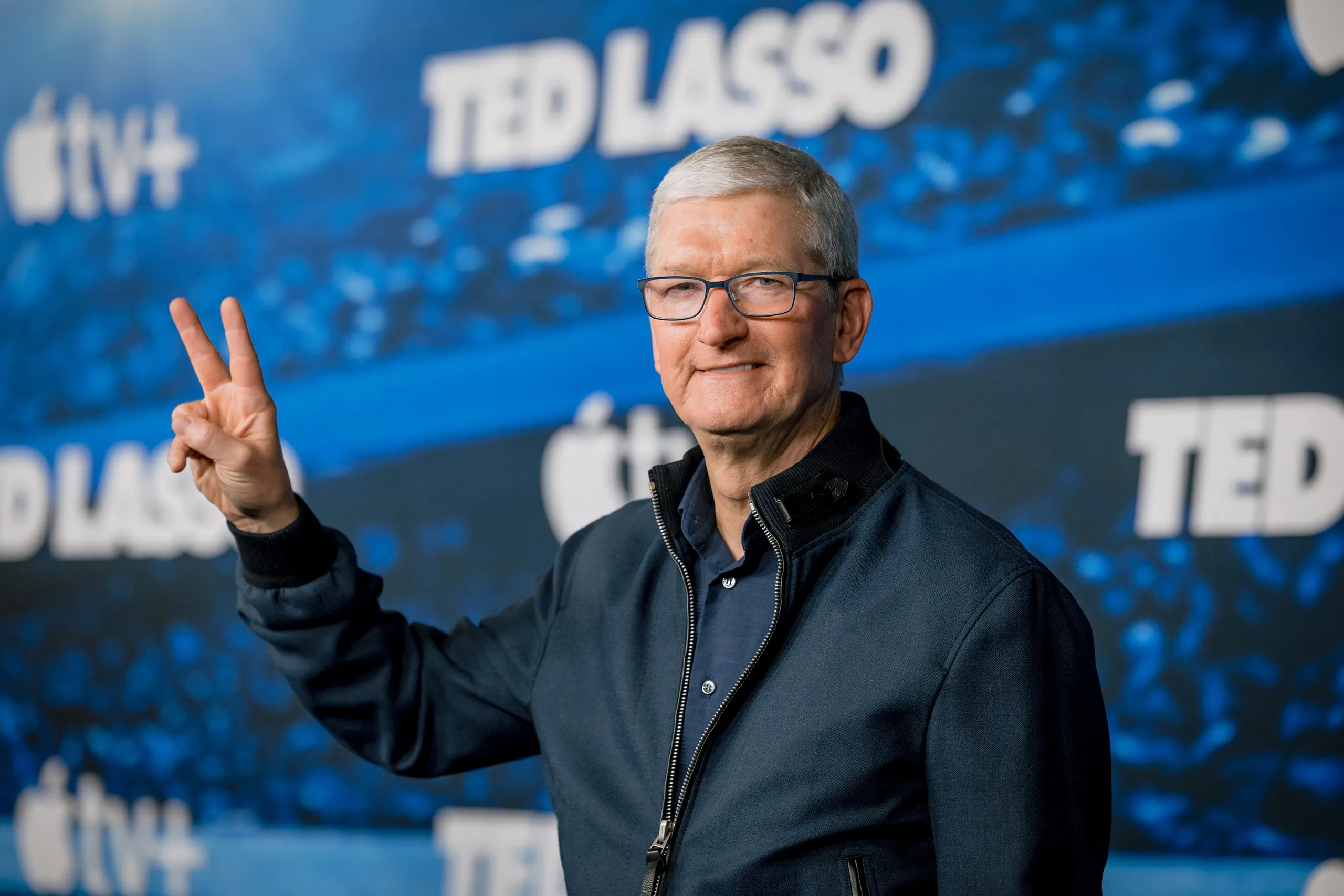

Tim Cook is a name synonymous with technological innovation and leadership in the 21st century. As the CEO of Apple Inc., one of the world’s most influential and valuable technology companies, Cook has played a pivotal role in shaping the company’s direction since he assumed the role in August 2011. This article explores Tim Cook’s background, his journey to the helm of Apple, and his contributions to the tech giant’s continued success.
Early Life and Education
Born in Mobile, Alabama, Tim Cook’s journey to becoming a prominent figure in the tech industry began with a strong educational foundation. He earned a Bachelor of Science degree in Industrial Engineering from Auburn University, which equipped him with problem-solving skills and an understanding of efficient processes. Cook’s commitment to education did not end there; he went on to earn a Master of Business Administration (MBA) from Duke University, further honing his management and strategic thinking abilities.
Career Path to Apple
Before his tenure at Apple, Tim Cook held several significant positions at other technology companies. His career at IBM, where he served as the North American fulfillment director, provided him with valuable experience in operations and supply chain management. His role as Chief Operating Officer (COO) at Intelligent Electronics allowed him to sharpen his leadership skills in a fast-paced and dynamic environment.
One of the notable stops on his career journey was as Vice President of Corporate Materials at Compaq Computer Corporation. This position afforded Cook insight into the intricacies of the personal computer industry, an experience that would later become relevant in his role at Apple.
Apple’s COO and CEO
Tim Cook joined Apple in 1998 as Senior Vice President for Worldwide Operations. In this capacity, he was instrumental in revamping Apple’s supply chain and manufacturing processes, ensuring that products were delivered efficiently and meeting the company’s exacting standards.
In August 2011, Cook took on the role of CEO of Apple, succeeding the iconic Steve Jobs. His leadership came during a critical time for the company, as it faced challenges and opportunities in the rapidly evolving tech landscape. Cook’s leadership style emphasized operational excellence, sustainability, and a focus on delivering high-quality products.
Under Cook’s guidance, Apple continued to innovate and expand its product line, introducing new iterations of the iPhone, iPad, Mac, and other groundbreaking technologies. He also championed sustainability efforts, making significant strides in reducing the company’s carbon footprint and advocating for renewable energy.