Russia Rejects U.S.-Ukraine Ceasefire Proposal as Putin Pushes for Victory on the Frontlines

In a new twist to the ongoing war in Ukraine, Russia has dismissed a U.S.-backed ceasefire proposal as little more than a temporary break for Ukraine’s forces. The ceasefire suggestion, put forward by U.S. officials and Ukrainian leaders, aims to give both sides a chance to pause and regroup. However, Russia, under President Vladimir Putin’s leadership, is not backing down. As Putin visits the frontlines, his senior advisor is making it clear that Moscow’s goals remain unchanged. Here’s what you need to know about this latest development in the Ukraine conflict.
U.S.-Ukraine Ceasefire Proposal: What’s on the Table?
The U.S. and Ukraine have proposed a 30-day ceasefire, aiming to halt the fighting temporarily and allow both sides some time to recover. This proposal, discussed by U.S. Secretary of State Marco Rubio and Ukrainian officials in Saudi Arabia earlier this week, is seen as a potential opportunity to pause the war, evaluate the situation, and hopefully pave the way for a more permanent peace solution.
However, Russia has not reacted favorably to this suggestion, and the Kremlin is showing little interest in even considering the temporary ceasefire. Instead, Moscow’s priority is clear: to secure long-term goals, and they believe this ceasefire is just a tactical move for Ukraine to regain strength.
Russia’s Response: A Ceasefire for Ukraine to Regroup?
Yuri Ushakov, a senior aide to Russian President Vladimir Putin, has strongly dismissed the proposed ceasefire, calling it “nothing more than a temporary respite” for the Ukrainian forces. Ushakov argued that the ceasefire would merely allow Ukraine to recover and prepare for further combat, rather than leading to any long-term peace agreement. According to him, such a pause in fighting would not contribute to a lasting solution to the conflict.
Speaking to Russian state media, Ushakov emphasized that Russia’s ultimate goal remains a “long-term peaceful settlement” of the conflict, one that considers the “legitimate interests of Russia.” This statement reflects Russia’s broader aim of securing its strategic and territorial interests in Ukraine, while rejecting any compromises that may diminish its control or influence in the region.
Putin’s Push for a Quick Victory in Kursk
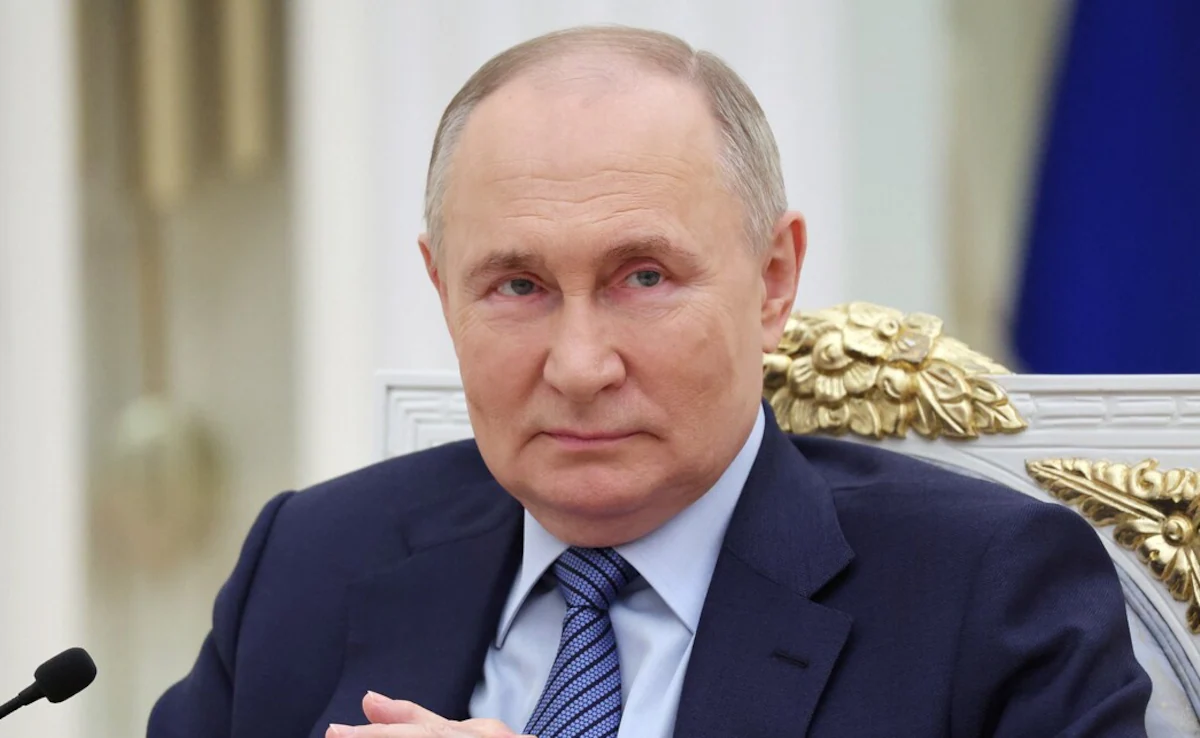
While diplomatic discussions over a ceasefire continue, President Putin is on the ground, urging his forces to achieve a swift victory in critical regions of Ukraine. On Thursday, Putin visited the frontlines in Kursk, a region where Russian forces have recently recaptured the largest settlement previously occupied by Ukrainian troops.
Putin’s visit to the frontlines and his public call for a “quick victory” signal that Russia is determined to press on with its military objectives, undeterred by the ceasefire proposal. By securing control of strategic regions like Kursk, Russia aims to solidify its gains and strengthen its position in negotiations, should talks on peace or ceasefire continue.
The Broader Context: U.S. Sanctions Threaten Russia’s Position
While Russia’s rejection of the ceasefire proposal seems clear, the U.S. has warned that failure to engage in the proposed 30-day break could lead to new sanctions against Russia. President Donald Trump has previously stated that he could hit Russia with more economic penalties if Moscow refuses to negotiate or engage in talks for peace.
This threat of sanctions is part of the broader U.S. strategy to pressure Russia into stopping its military aggression in Ukraine. However, Russia has shown little indication that it will be swayed by economic penalties, and instead, it continues to focus on its military operations and its long-term goals in the conflict.
What’s Next in the Russia-Ukraine Conflict?
With the ceasefire proposal in limbo and Russia’s military advances continuing, the situation remains tense. While the U.S. and Ukraine seek a pause in the fighting, Russia’s leadership seems focused on achieving more decisive victories on the ground. So, what could happen next?
1. A Prolonged Conflict
If Russia continues to reject diplomatic efforts for a ceasefire, the war may drag on longer than expected, causing more casualties and devastation for both sides. As the battle for key regions like Kursk intensifies, it may become harder to reach a peaceful resolution.
2. Economic Fallout
If sanctions are imposed on Russia by the U.S. or other Western countries, it could lead to further economic instability. Russia’s economy could take a hit, potentially affecting the global economy as well. However, Russia may be willing to weather these sanctions if it believes that securing its military objectives is more important than economic consequences.
3. A Shift in Global Alliances
As the war continues, the dynamics of global alliances may change. Countries may be forced to choose sides, and new diplomatic efforts may emerge. This could lead to a reshaping of geopolitical relationships, especially in Europe and Asia.
The Bigger Picture: Why Is This Conflict So Important?
The Russia-Ukraine war is not just a regional conflict—it has significant global implications. The outcome of this war could change the balance of power in Europe and influence international relations for years to come.
1. NATO and European Security
One of the key issues at stake in the war is Ukraine’s relationship with NATO, the military alliance that includes the U.S. and several European countries. Russia views NATO’s eastward expansion as a threat, and Ukraine’s potential membership in the alliance has been a major point of contention. The outcome of the war could decide whether Ukraine aligns more closely with Western powers or remains within Russia’s sphere of influence.
2. Energy and Economic Influence
Russia’s role as a major energy supplier, particularly natural gas, makes this conflict crucial to Europe’s energy security. A prolonged war could disrupt energy supplies and have wide-reaching economic effects, particularly in Europe, which relies heavily on Russian energy exports.
3. Global Power Dynamics
This conflict also plays into the broader competition between global powers. With the U.S. and its allies opposing Russia’s actions, China has become an important player, supporting Russia diplomatically while balancing its own interests in Europe and Asia. The war could affect the balance of power between these two superpowers and shape future global policies.
The Road Ahead for Russia, Ukraine, and the World
As Putin visits the frontlines and dismisses calls for a ceasefire, the conflict in Ukraine shows no signs of slowing down. Russia’s rejection of the temporary truce is a sign that Moscow is determined to continue its military operations and pursue long-term goals. Meanwhile, the U.S. and Ukraine are waiting for Moscow’s next move, with sanctions looming as a possible tool to push Russia into negotiations.
The road ahead is uncertain, but one thing is clear: the war in Ukraine is far from over, and the global implications of this conflict will continue to unfold in the months ahead.