
Legal Clash at Carbon Streaming: Former CEO Justin Cochrane Files $35.5 Million Counterclaim

In a significant legal breakthrough, Justin Cochrane, co-founder and former CEO of Carbon Streaming Corporation, has filed a counterclaim of more than $35 million against the company, its present CEO Marin Katusa, and three members of its board of directors. The action is a reaction to an earlier lawsuit this year by Carbon Streaming, charging breach of fiduciary duty, fraudulent misrepresentation, and unjust enrichment against Cochrane and other previous executives. The first lawsuit is for over $40 million in damages.
Carbon Streaming, an investment company dealing in carbon credits, launched the suit in April 2025, alleging that Cochrane and former executives Conor Kearns and Anthony Milewski had abused company funds and operated against the best interests of the company. The lawsuit involves allegations that Cochrane individually owes around $30.4 million in damages and the worth of more than 22 million common shares. The firm contends that these acts harmed its fiscal well-being and its relations with investors.
Cochrane has emphatically denied all accusations in return. His counterclaim states that the allegations made against him are unfounded, not supported by company documents, and part of a concerted campaign to discredit him. In Cochrane’s opinion, his actions were always in the best interest of Carbon Streaming, and the current management, including Katusa, has instigated the lawsuit in an effort to centralize power and discredit previous management. The counterclaim demands payment for economic damages, interference with business relationships, and reputational damage that Cochrane asserts were caused by what he characterizes as abusive and oppressive litigation tactics.
The counterclaim names specifically Carbon Streaming, Marin Katusa, and directors Olivier Garrett, Alice Schroeder, and Marcel de Groot. Cochrane accuses them of waging a campaign to destroy him that involved lying to Katusa’s subscribers at Katusa Research and interfering in corporate communications in order to mislead about his contribution and position. Legal specialists indicate that the size of the counterclaim indicates the severity of the corporate conflict and high stakes, specifically for shareholders and investors who are following Carbon Streaming’s activities closely.
This judicial battle is merely one of the recent battles Carbon Streaming has been involved in. In July of 2025, the firm settled with Infinite-Earth Limited regarding its Rimba Raya project, resolving claims without an admission of fault. Carbon Streaming still has related claims against Cochrane related to this and other projects, including Marvivo, which is concerned with sustainable carbon offset projects. The extended court case has put the corporate governance practices in the fast-growing carbon credit industry under the spotlight.
Industry commentators are observing that the litigation can have a very real impact on Carbon Streaming’s reputation and investor confidence. High-profile legal cases tend to cause uncertainty regarding management stability and have a bearing on the perception of the extent to which a company is devoted to corporate governance and fiduciary duty. For Carbon Streaming, keeping investors’ trust is a priority while it continues to deal with a competitive market for carbon credits that has much to do with regulatory policy, sustainability requirements, and growing demand from worldwide companies aiming to balance out their carbon footprints.
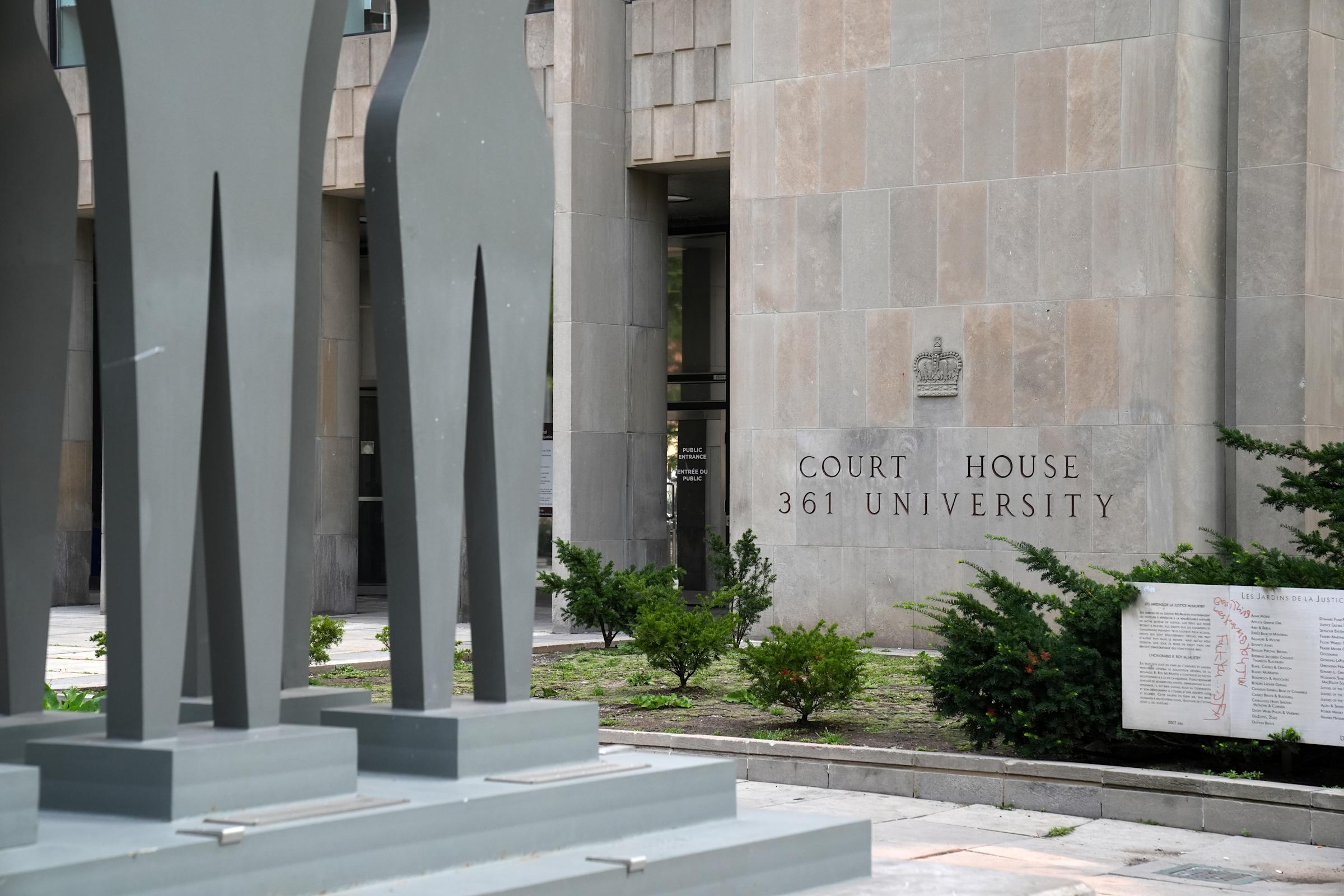
The Ontario Superior Court of Justice will hear the case, where both the initial lawsuit as well as Cochrane’s counterclaim will be heard. Cochrane has remained optimistic that the court will eventually vindicate the validity of his defense, claiming that his past leadership decisions were done in good faith and in accordance with the company’s long-term interests. In the meantime, Carbon Streaming insists that its claims are legitimate and that the legal process will explain responsibilities and accountability among the company’s executive leadership.
As the case develops, its status will be followed closely by players in the carbon credit marketplace, including investors, regulators, and environmental sustainability interest groups. Apart from the direct financial implications, the suit has the potential to establish significant precedents about company governance, fiduciary responsibility, and executive accountability in the expanding environmental investment market. Both sides have said they are ready for a long legal battle, which means that the fight may continue to hold center stage in news and industry chatter for months to come.
The result of this celebrated court fight will not only determine the future of Carbon Streaming and its management but will also likely impact wider industry practice in the way carbon credit firms organize executive duties and deal with corporate governance.

