
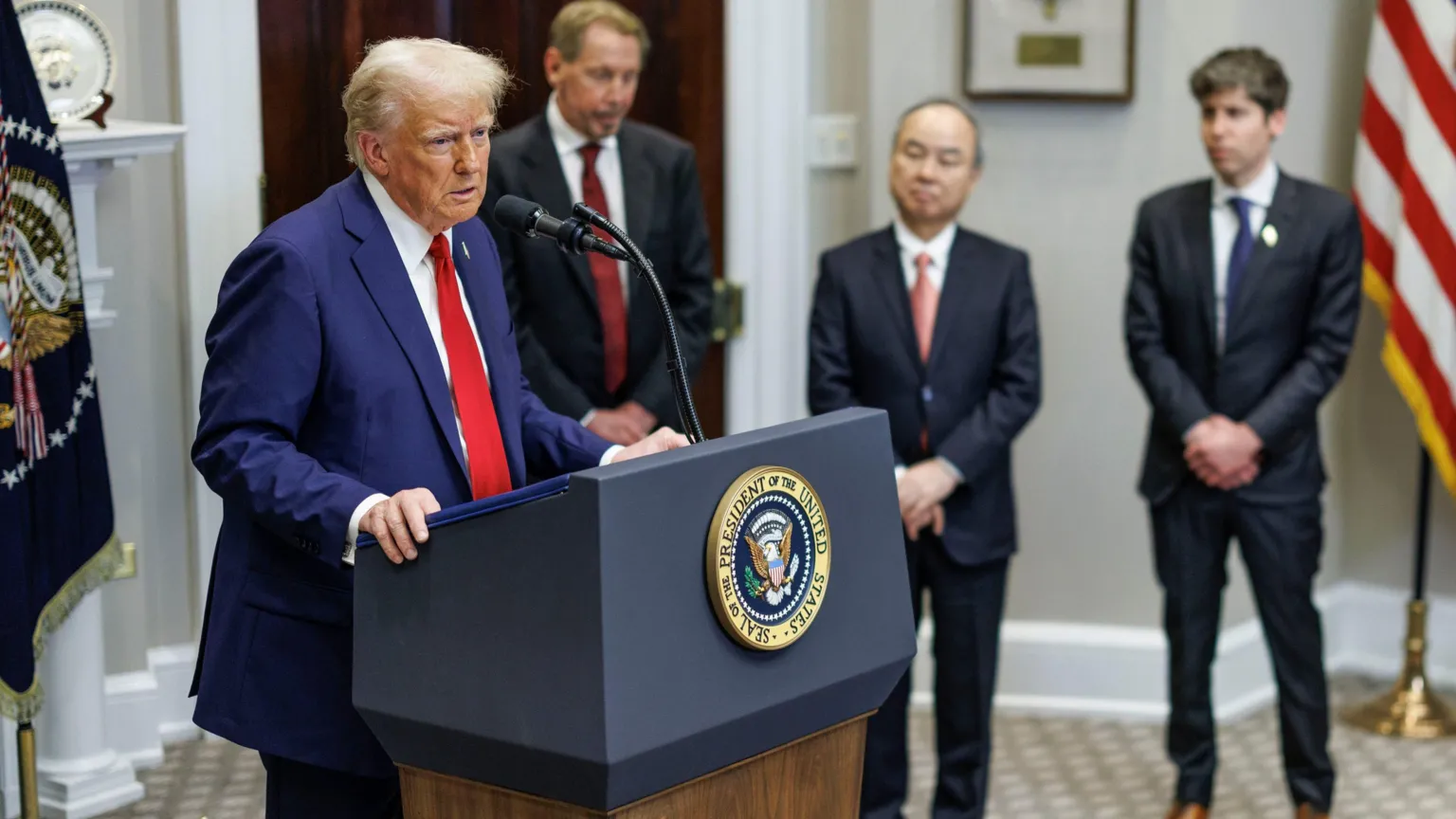
Headline: Trump Shocks World with Plan to ‘Take Over’ Gaza, Threatens Palestinian Relocation

Trump’s Bold Plan to ‘Take Over’ Gaza: What You Need to Know
In an unexpected and controversial statement, President Donald Trump has unveiled a bold plan to have the United States take control of the Gaza Strip, a move that is sending shockwaves through the Middle East and beyond. Speaking alongside Israeli Prime Minister Benjamin Netanyahu at a White House press conference, Trump claimed that the U.S. would “own” Gaza, a territory devastated by months of conflict.
The remarks have drawn immediate criticism, with Arab nations rejecting the plan and Palestinian officials vowing to resist any such move. But Trump’s proposal has still stirred strong reactions and raised questions about its feasibility and its potential to shape the future of the Middle East.
What Did Trump Actually Say?
In a surprising announcement during a White House press briefing on the ongoing Israel-Hamas conflict, Trump outlined a plan to take control of Gaza—a territory that has been at the center of political and military turmoil for years.
Trump made it clear that if his proposal were to go ahead, the U.S. would assume full responsibility for Gaza, including the daunting task of clearing out exploded bombs and weapons left behind from the recent battles.
Trump stated:
“We’ll own it, and we’ll be responsible for dismantling all of the dangerous unexploded bombs and other weapons on the site.”
He also touched on the future of Palestinians living in Gaza, suggesting that many could be resettled in areas that local leaders have historically rejected. Trump envisioned a new Gaza—transformed into “the Riviera of the Middle East,” free from conflict and with the promise of a prosperous future.
The Reaction: Shockwaves Across the Middle East
Trump’s comments were met with immediate condemnation from various governments and organizations, especially in the Arab world. Both Saudi Arabia and Jordan rejected the proposal outright. For these countries, the idea of a U.S. takeover of Gaza is unthinkable, given the region’s sensitive political landscape.
The Palestinian Ambassador to the United Nations, meanwhile, reacted with defiance, saying:
“Our homeland is our homeland.”
This statement captures the deep sentiment that Gaza, and the broader Palestinian territories, belong to the Palestinian people, and any effort to take control by external powers will not be accepted.
Gaza’s Current Situation: A Territory in Ruins
The Gaza Strip has been devastated by a 15-month-long conflict between Israel and Hamas, leaving thousands dead and many more displaced. As of the latest reports, more than 47,000 people have been killed in the fighting, and the humanitarian crisis is worsening by the day. Infrastructure has been severely damaged, leaving civilians without basic necessities like food, water, and medical supplies.
Amidst this destruction, Trump’s proposal to “take over” Gaza has sparked debate about whether such a move would bring stability to the region—or only exacerbate the situation further.
Could This Plan Work?
The idea of the United States taking responsibility for Gaza is not entirely new. For years, there have been discussions about the need for a neutral, international body to help rebuild and govern Gaza. But many believe Trump’s plan is far more ambitious—and controversial—than anything seen before.
Supporters of the plan argue that it could bring stability to a region that has been in turmoil for decades. If the U.S. took control, they suggest, it could push for peace in ways that local leadership has not been able to achieve.
On the other hand, critics believe that a U.S. takeover would only fuel more resentment and resistance from Palestinians and neighboring countries. It’s unclear how Palestinians, who have long viewed Gaza as their home, would react to being forced to leave their land, even with promises of resettlement in other areas.
What Would a ‘U.S. Takeover’ Look Like?
If the U.S. were to “take over” Gaza, what would this actually entail?
- Governance: The U.S. would likely take control of the territory’s administration, setting up a temporary government that could oversee reconstruction and facilitate a long-term peace plan.
- Security and Reconstruction: Trump’s plan includes taking responsibility for dismantling dangerous unexploded bombs, which suggests the U.S. would help to rebuild the shattered infrastructure. However, this would come at an enormous cost—both financially and in terms of manpower.
- Relocation of Palestinians: One of the most controversial aspects of Trump’s proposal is the suggestion to relocate Palestinians from Gaza to other areas in the region, including places historically opposed by local leaders. This idea has been widely rejected by many, who argue that it violates Palestinians’ rights to live in their homeland.
The Global Implications of Trump’s Proposal
Trump’s announcement comes at a time when the world is watching closely as Israel and Palestine continue their deadly conflict. The U.S. has long been a key player in trying to broker peace in the region, but Trump’s suggestion of taking direct control of Gaza represents a dramatic shift from the typical diplomatic approach.
This shift in policy raises important questions:
- Would a U.S. takeover help bring peace to Gaza, or would it fuel more conflict?
- How would other countries in the Middle East react to such a drastic move?
- Could this pave the way for broader changes in the Israeli-Palestinian conflict, or would it further entrench divisions?
Reactions from World Leaders
The announcement has sparked a strong reaction from key global leaders. Some have expressed support for Trump’s bold approach, hoping that it could bring an end to the endless cycle of violence in Gaza. However, the majority of international leaders, including Arab nations and Palestinian officials, have rejected the idea.
Israeli Prime Minister Benjamin Netanyahu—standing alongside Trump during the announcement—seemed surprised by the U.S. President’s strong language and vision. Netanyahu’s reaction remains a subject of interest, as it could signal Israel’s stance on the potential for such a plan.
What’s Next?
While Trump’s comments have sent shockwaves throughout the international community, the future of his proposed plan remains unclear. Saudi Arabia, Jordan, and Egypt have all rejected the idea, and Palestinians are determined to resist any forced relocation. The global community, meanwhile, will be watching closely as the situation continues to unfold.
If Trump pushes forward with this plan, it could be a game-changer for the future of Gaza and the broader Middle East peace process. But whether it will lead to greater stability or further unrest is still up for debate.

