
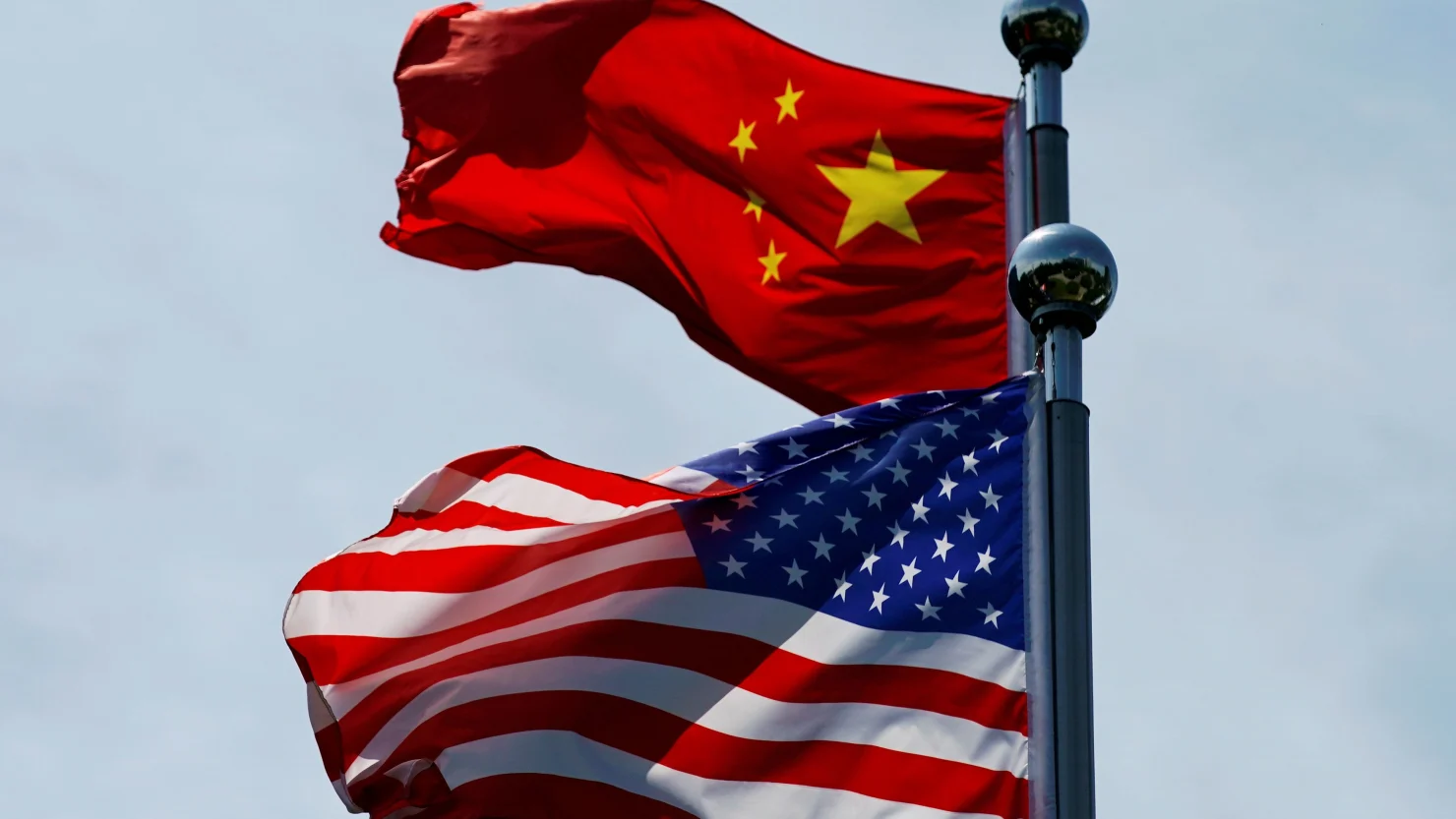

China Takes Tough Stance on U.S. Trade Tariffs: ‘We Will Protect Our Interests’
China has made it clear that it will not back down in the face of what it describes as U.S. bullying over trade issues. The Chinese government is pushing back strongly after the Trump administration imposed trade tariffs on Chinese goods, marking a new escalation in the ongoing trade war between the two countries.
In a statement from the Chinese Ministry of Commerce, spokesperson He Yongqian made it clear that China will take all necessary steps to safeguard its rights. This tough stance signals a shift from China’s earlier tone, which had previously emphasized a willingness to negotiate.
China’s Response to U.S. Tariffs
The latest remarks from China come in response to the U.S. tariffs that target Chinese goods, a move first introduced during President Donald Trump’s administration. These tariffs have caused tension between the world’s two largest economies, with both sides engaging in a battle of words and policies.
According to He Yongqian, China will no longer simply accept what it sees as unfair or one-sided actions. “In the face of one-sided acts of bullying, China will definitely take necessary measures to firmly protect its own rights and interests,” said He in a press briefing.
This statement indicates that China is ready to escalate the issue and respond in kind to any further trade measures the U.S. may introduce. However, despite its firm position, China has also expressed that it does not want to provoke a full-blown trade dispute. Instead, the government says it remains open to resolving issues through dialogue and negotiation.
China’s Diplomacy: Ready to Negotiate, but Not Backing Down
Even as the rhetoric has toughened, China’s official stance is still focused on peaceful resolution. He Yongqian added that China has always been open to discussions with the U.S. and remains committed to finding diplomatic solutions to trade issues.
This willingness to negotiate contrasts with the more combative approach many may expect in such a high-stakes situation. Beijing seems to understand that while trade tariffs can be a tool of economic warfare, diplomacy and cooperation are often the better options for both countries in the long run.
Fentanyl Tariffs Spark Controversy
In addition to the tariffs imposed on Chinese goods, the U.S. has also justified some of its measures by claiming they are in response to the ongoing fentanyl crisis. The Trump administration has argued that tariffs on Chinese imports are necessary to hold China accountable for its role in the illegal trade of fentanyl, a dangerous opioid.
However, China has strongly rejected these claims. Lin Jian, a spokesperson for the Chinese Ministry of Foreign Affairs, emphasized that the U.S. was using the fentanyl issue as a pretext for imposing tariffs.
“China firmly deplores and opposes the move of the U.S. to levy a 10 percent additional tariff on Chinese imports under the pretext of the fentanyl issue,” Lin stated, condemning the U.S. action. “The measures China has taken are what’s needed for safeguarding our legitimate rights and interests.”
This statement points to the fact that China is unwilling to accept external pressure or interference, especially when it believes the U.S. is making unjustified claims.
The Impact of U.S. Tariffs on China
The introduction of U.S. tariffs on Chinese goods has already had significant consequences for both economies. China’s manufacturing sector, which is heavily reliant on exports, has felt the pressure as tariffs have made Chinese products more expensive in the U.S. market. For American consumers, this has translated to higher prices on goods that rely on Chinese manufacturing.
The U.S.-China trade war has also caused uncertainty in the global economy, with many countries and businesses caught in the crossfire. As both sides exchange tariffs and retaliatory measures, the impact is felt not only on trade between the U.S. and China but also globally.
China’s Strategy Moving Forward
Despite the challenges posed by these trade disputes, China is not giving up without a fight. The country has made clear that it will take the necessary actions to defend its economy and its position on the global stage. China is also focused on diversifying its trading partners and finding new markets for its goods, especially in Asia, Europe, and other emerging economies.
In the meantime, Beijing has indicated that while it’s not seeking a trade war, it will not hesitate to defend its interests if provoked. The government remains committed to its broader economic goals, including expanding domestic consumption and increasing technological innovation, areas that could help China become less reliant on foreign markets.
The Future of U.S.-China Trade Relations
The U.S.-China trade war is far from over, and both nations are likely to continue competing for dominance in global trade. As China strengthens its position and defends its rights, it is clear that the dynamics of the global economy will continue to shift in significant ways.
The two countries will likely continue to engage in trade talks, but it’s clear that the trade war has led to a reevaluation of economic relationships worldwide. The outcome of this ongoing dispute will have wide-reaching effects on global trade, economics, and diplomacy for years to come.
Conclusion: China’s Message to the U.S.
In summary, China has made it clear that it will stand firm in the face of what it perceives as unjust actions by the U.S. The country has vowed to protect its own rights and interests, and while it remains open to negotiation, it is prepared to take necessary steps to defend its position. As the trade conflict continues to unfold, both China and the U.S. will need to navigate the challenges and find ways to resolve their differences for the benefit of the global economy.

