
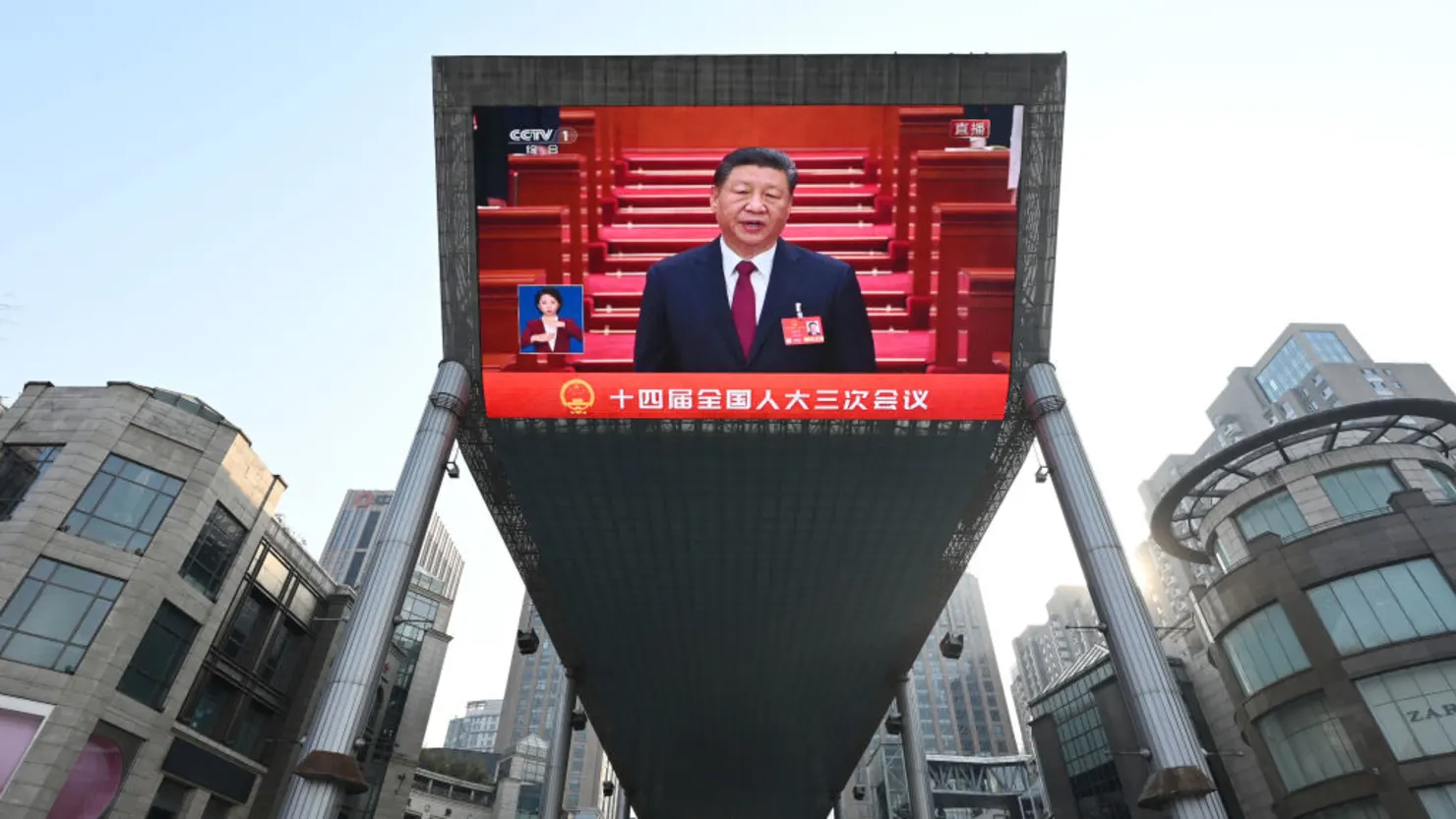
China Threatens to Fight “Any Type of War” with the U.S. Amid Rising Trade Tensions

China’s Strong Warning to the U.S.: Ready for Any Type of War
In the latest escalation of the ongoing economic and political struggle between China and the U.S., China has made it clear that it is prepared to fight “any type of war” if the U.S. continues to increase its pressure on the country. This warning comes as President Donald Trump’s government has recently imposed a fresh round of tariffs on Chinese imports, intensifying tensions between the two economic giants.
China’s Aggressive Stance: “We’re Ready to Fight Till the End”
On Wednesday, the Chinese Embassy in the U.S. sent a bold message, signaling that China would not back down from the growing confrontation. “If war is what the U.S. wants, be it a tariff war, a trade war, or any other type of war, we’re ready to fight till the end,” the embassy stated in a post on X (formerly Twitter), showcasing China’s increasingly aggressive stance towards the U.S.
This statement comes after President Trump imposed a new 10% tariff on Chinese imports, raising the total tariffs imposed on Chinese goods to a staggering 20% in just over a month.
Beijing’s Retaliation: New Tariffs and Export Restrictions
In response, China immediately retaliated, announcing new tariffs on U.S. goods, including agricultural products like soybeans, and implementing stricter export controls on certain U.S. entities. These new measures will take effect on March 10, signaling that China is determined to fight back against the U.S. tariffs.
A Chinese foreign ministry spokesperson also criticized the U.S. explanation for the tariff hikes, calling it a “flimsy excuse.” The U.S. had previously cited China’s role in the global fentanyl crisis as justification for imposing the tariffs, a claim that China rejects.
What’s Behind the Retaliation? Agricultural Pressure on Trump
One key area where China is hitting back is the U.S. agricultural sector, which has been a major target in past trade wars. Agricultural products, particularly soybeans, are among the largest U.S. exports to China. By imposing new tariffs on these goods, China is trying to leverage political pressure on President Trump, particularly targeting the Republican voter base in farming states, a key constituency that helped Trump secure his presidency.
During the last U.S.-China trade war, China shifted its soybean purchases from the U.S. to Brazil and Argentina in response to tariffs, a strategy they are likely to use again. This shift, in turn, puts pressure on U.S. farmers and could prompt political backlash against Trump if the trade conflict continues to hurt their businesses.
The U.S. Response: Prepared for Conflict but Not Seeking It
On the U.S. side, Secretary of Defense Peter Hegseth stated in an interview that while the U.S. is not actively seeking conflict with China, it is prepared for the possibility. He emphasized that the U.S. must remain strong to deter potential conflict with China or any other powerful nations with differing ideologies.
Hegseth’s comments reflect the heightened concerns of the U.S. about China’s growing global influence, and the necessity for the U.S. to maintain a strong defense posture in an increasingly dangerous and competitive world.
The Growing Toll of Tariffs: Economic Impact on Both Sides
While these tariff battles play out, there are growing concerns about the toll they are taking on both economies. China, which has been facing slowing economic growth, has had to resort to using tariffs as a tool to exert pressure on the U.S. But with its own economy under strain, particularly in the exports sector, China is also using monetary and fiscal stimulus to mitigate the impact of U.S. tariffs.
The trade war is affecting China’s ability to sell its goods abroad, especially in the U.S., and this slowdown is hitting its broader economy. Despite this, China has signaled that it is willing to face these challenges head-on and continue to retaliate if necessary.
A Global Impact: What’s at Stake for the World?
The ongoing U.S.-China trade conflict has far-reaching consequences for not only the two countries involved but also the global economy. As two of the world’s largest economies, their policies and actions can have a domino effect, impacting trade, investment, and economic growth across the globe.
If China and the U.S. continue their tariff wars, it could lead to higher prices for goods, disruptions in global supply chains, and even influence geopolitical relations in other regions. The world will be watching closely as tensions between these two economic powerhouses continue to escalate.
China’s Strategy: Economic Pressure and the Long Game
Despite facing challenges at home, China is playing the long game. It is clear that Beijing is willing to use all available tools, including economic pressure, tariffs, and export restrictions, to gain leverage over the U.S. The country’s strategy is to make it clear that any attempt to harm its interests will be met with a strong response.
At the same time, China is also working to reduce its reliance on exports by focusing on boosting domestic consumption and further diversifying its economy. By doing so, it hopes to reduce the overall impact of trade tensions with the U.S. in the future.
The Road Ahead: A Battle of Economies and Ideologies
As the U.S. and China continue to square off, the world will be watching how these two global powers navigate their differences. The escalating trade war is about more than just tariffs; it’s about economic dominance, political influence, and global leadership.
While the U.S. may believe it is standing firm against a rising China, Beijing is equally determined to assert its own economic and political might. The outcome of this struggle will shape not just the future of U.S.-China relations, but also the economic landscape of the 21st century.
Can the U.S. and China Avoid Full-Scale Conflict?
As both nations dig in their heels, the question remains: Can they avoid a full-scale economic and political war, or will their ongoing battle for supremacy lead to deeper tensions and lasting consequences? With tariff hikes, trade retaliation, and a new wave of political rhetoric, the U.S.-China relationship is at a critical juncture, and the outcome of this standoff could impact the entire world.

