
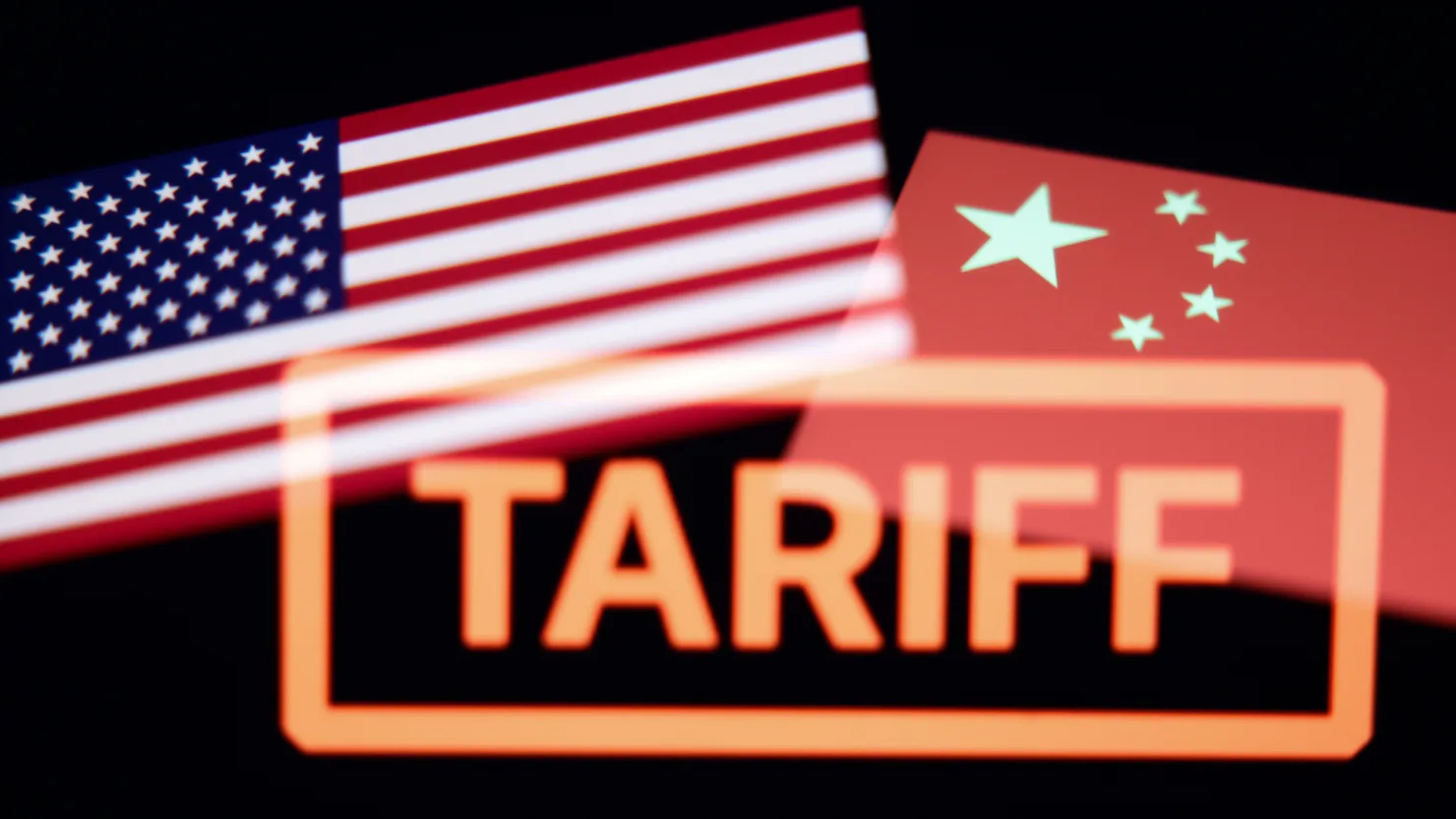

In the latest twist in the ongoing trade tensions between the United States and China, China has announced fresh retaliatory tariffs on a range of American imports. Starting February 10, China will impose additional tariffs on key U.S. goods, including coal, liquefied natural gas, crude oil, and agricultural machinery. This move comes just after the U.S. introduced its own tariffs on Chinese products, raising the stakes in an escalating trade battle between the world’s two largest economies.
China’s Retaliation: A New Round of Tariffs
China’s finance ministry confirmed that it will impose new tariffs on select U.S. imports, signaling that the trade conflict is far from over. Here’s a breakdown of the key measures:
- 15% Tariffs on Coal and LNG: China will add a 15% tariff on coal and liquefied natural gas (LNG) imports from the United States, making it more expensive for Chinese companies to buy these energy resources.
- 10% Tariffs on Other U.S. Goods: Additional tariffs of 10% will be levied on crude oil, agricultural machinery, and certain types of cars and trucks. This will further raise the cost of these products for Chinese businesses and consumers.
- Export Controls on Critical Minerals: In a significant move, China also announced export controls on certain critical minerals, such as tungsten, tellurium, ruthenium, and molybdenum, which are essential for various high-tech industries.
These tariffs and controls come in response to the U.S. tariffs that went into effect on Chinese imports, further escalating the trade conflict. China’s government has strongly criticized the U.S. move, arguing that it violates World Trade Organization (WTO) rules and disrupts normal trade activities.
A Symbolic Move for Now, But What’s Next?
China’s new tariffs are seen as more of a symbolic move for the time being. Experts, like Louise Loo, China’s lead economist at Oxford Economics, suggest that while the tariffs will raise the cost of U.S. goods in China, the immediate impact may not be huge. Loo estimates that these new tariffs could raise the effective tariff rate on U.S. imports by around 2 percentage points.
While the move seems moderate, the potential for further escalation looms large. The U.S. and China have already engaged in multiple rounds of tariff increases, and both sides seem willing to dig in their heels.
Loo warns that this new wave of tariffs could just be the beginning, with a high likelihood of further tariffs being imposed in the coming months. This could lead to a second trade war between the two economic giants, which would have far-reaching consequences for global trade and economic stability.
Why Are the U.S. and China At Odds?
The U.S.-China trade war has been brewing for several years, primarily over issues like intellectual property theft, trade imbalances, and market access. In recent months, the U.S. has ramped up its tariffs on Chinese products, aiming to force China into trade reforms and curb what it sees as unfair trade practices.
On the other hand, China has accused the U.S. of trying to undermine its economic growth and suppress its global influence. As tensions rise, both countries have turned to tariffs and other trade barriers as a means to exert pressure on each other.
These tariffs are not just about a few goods — they are about the balance of power in the global economy. And as the stakes get higher, the risks of a full-blown trade war increase.
The Global Impact of Rising Tariffs
The escalating tariffs between the U.S. and China don’t just affect the two countries; they also have broader implications for the global economy. Here’s how:
- Rising Costs for Businesses: With tariffs increasing on key goods, businesses in both countries will face higher costs. For U.S. companies, the price of exporting goods to China will rise, making them less competitive in the Chinese market. On the flip side, Chinese companies will face higher prices for U.S. products, which could slow down their growth.
- Global Supply Chain Disruptions: The U.S. and China are integral parts of the global supply chain. As trade barriers increase, industries that rely on these two economies for raw materials, machinery, and technology could face supply shortages and higher costs, which could hurt global production.
- Market Uncertainty: Tariffs create uncertainty in global markets, which can affect investor sentiment. Investors don’t like risk, and when trade conflicts heat up, they may pull out of markets or invest more cautiously, further dampening economic growth.
What’s the Next Step in the U.S.-China Trade War?
With the U.S. and China locked in a game of tariff tit-for-tat, what happens next is anyone’s guess. Both sides have made it clear that they’re prepared to continue fighting if necessary. However, there are signs that a diplomatic solution might still be possible, though it will likely take time and compromise from both sides.
In the meantime, the tariffs are expected to continue having ripple effects on the global economy. As supply chains become more fragmented and markets react to the uncertainty, countries that rely heavily on trade with the U.S. and China will likely feel the pressure.
What Does This Mean for Businesses and Consumers?
For businesses in both countries, the immediate impact is clear: higher costs. U.S. companies exporting to China will have to contend with higher tariffs, while Chinese companies buying American products will face increased prices as well. These costs could be passed on to consumers in the form of higher prices on everything from tech gadgets to automobiles.
As the trade war intensifies, both businesses and consumers will likely experience higher prices and fewer options as the global supply chain adapts to the new tariffs. Companies may seek to relocate production to other countries to avoid these tariffs, but this will take time and could lead to job losses in both the U.S. and China.
Conclusion: The Road Ahead
The new round of tariffs announced by China is a sign that the trade tensions between the U.S. and China are far from over. While these measures may seem symbolic for now, they set the stage for a potential escalation in the ongoing trade war. If both countries continue to escalate tariffs, the global economy could face further disruptions, with higher costs, supply chain issues, and market uncertainty all playing a part.
As the situation develops, businesses and consumers will need to stay informed and prepare for the potential impact of these trade barriers. Whether or not the two sides can come to the negotiating table and resolve their differences will determine the future of this trade war and its broader implications for the global economy.

