
Why “Make-in-India” Isn’t a Sure Bet to Beat China — Even With U.S. Tariffs in Play

Why India’s “Make-in-India” Dream Faces Big Challenges
The U.S. has slapped tariffs on Chinese goods, hoping to push companies to shift manufacturing out of China. Many see India as the next big alternative — but it’s not that simple.
Despite all the buzz around the “Make-in-India” initiative, experts caution that India’s rise as a manufacturing powerhouse is far from guaranteed.
The iPhone Example: Why Assembly Costs Matter
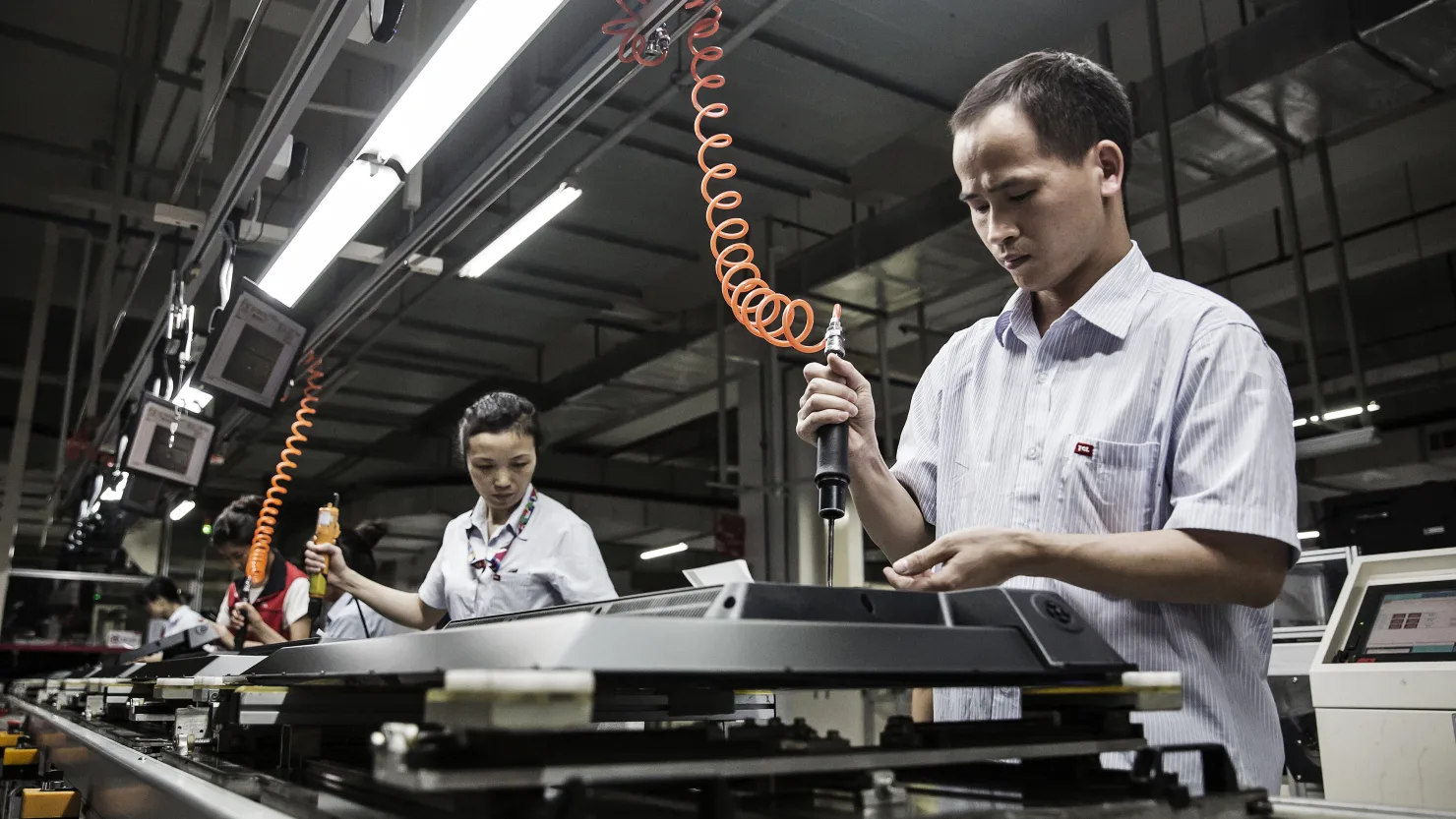
Take Apple’s iPhone. Bank of America recently analyzed the costs and found that if Apple moved final assembly from China to the U.S., iPhone prices might only rise about 25% — despite U.S. labor being much more expensive than in India.
This suggests that shifting assembly to India won’t necessarily be a massive cost saver for companies or guarantee cheaper products. Higher logistical costs, infrastructure challenges, and less mature supply chains add to the hurdles.
Should India Focus on Assembly or High-End Components?
Some industry experts argue that instead of chasing big assembly line jobs like iPhone production, India should invest in building a local ecosystem for high-end component manufacturing — the more valuable part of the supply chain.
Creating a strong base for components could bring greater long-term benefits, including innovation, higher-skilled jobs, and better integration into global supply chains.
What’s Next for India’s Manufacturing Ambitions?
India’s manufacturing future depends on more than just tariffs or headline-grabbing factory openings. It needs:
- Improved infrastructure
- Skilled workforce development
- Stronger supplier networks
- Policy consistency
Without these, the “Make-in-India” dream risks falling short of its potential.

