
Trump’s Military Move in California Sparks Firestorm: “Democracy Is Under Assault,” Says Newsom

California’s Governor Slams Trump Over National Guard Deployment Without Consent
In a dramatic political standoff, California Governor Gavin Newsom has delivered a blistering rebuke to former President Donald Trump after federal troops were deployed to Los Angeles without the state’s approval. Newsom accused Trump of threatening democracy and violating state sovereignty, warning other governors to stay alert to what he called a “dangerous precedent.”
Let’s break down what happened and why this is turning into one of the most talked-about clashes in U.S. politics this year.
What Sparked the Showdown?
Earlier this week, federal immigration raids in Los Angeles led to massive public outcry. Immigration and Customs Enforcement (ICE) agents reportedly carried out aggressive operations across the city, targeting undocumented immigrants in what advocacy groups are calling one of the largest enforcement crackdowns in recent years.
Protests quickly erupted, with demonstrators demanding an end to the raids. As the situation escalated, Trump responded by ordering the deployment of over 4,000 troops to Los Angeles—including National Guard units and active-duty Marines—without securing approval from California’s governor.
Newsom’s Response: “This Is a Breach of State Power”
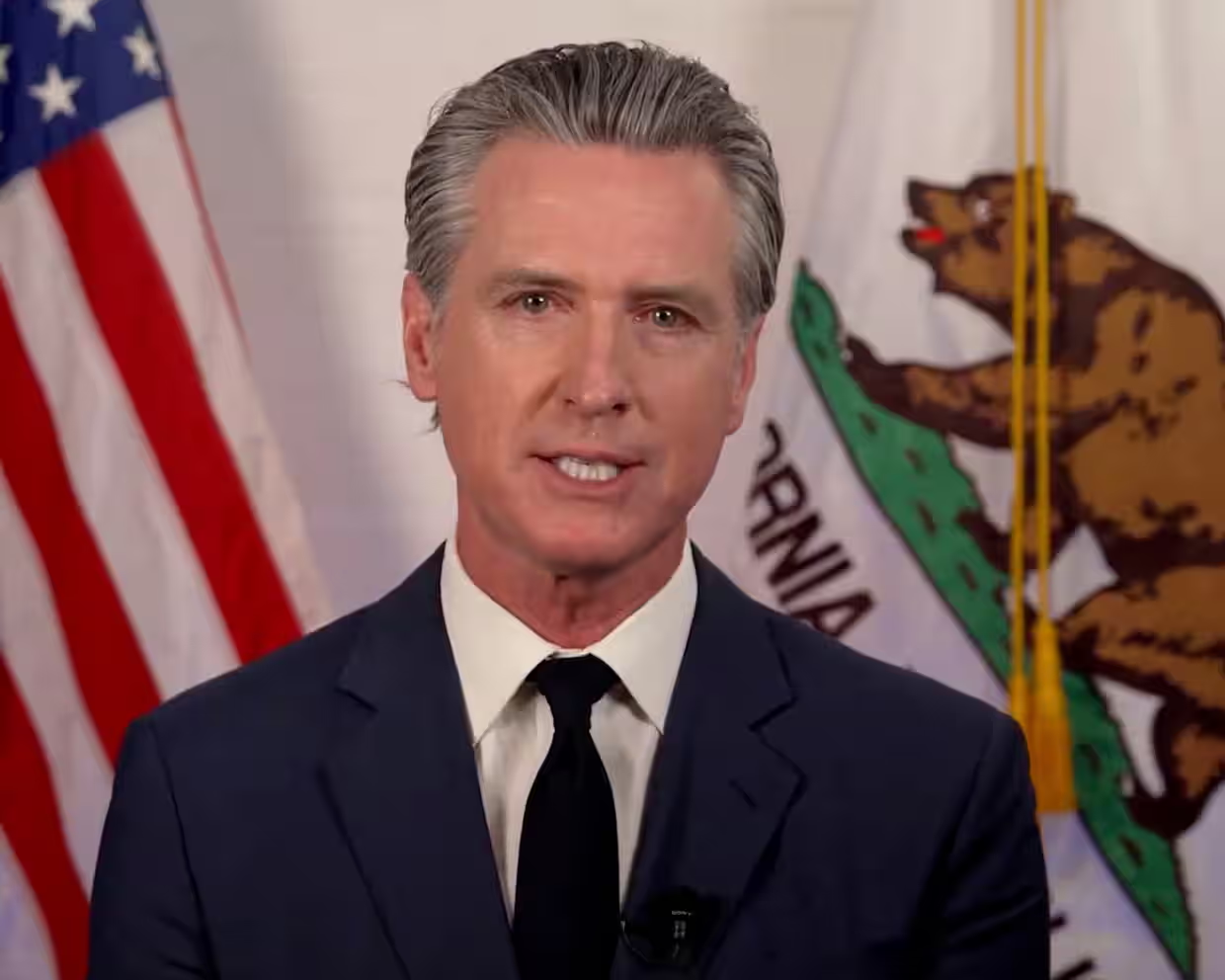
Governor Gavin Newsom wasn’t just surprised—he was furious. In a press conference, Newsom called the move “a gross overstep of federal authority” and “an attack on the values that define American democracy.”
“This was done without my consent and without coordination,” he said. “We don’t deploy military forces in American cities against our own people. That is not how democracy works.”
Newsom filed an emergency motion to stop the deployment, arguing that the federal government cannot unilaterally assume control over state military forces in the absence of a national emergency or rebellion—conditions he insists are not present.
Legal Battle Heats Up
Despite California’s legal pushback, a federal judge ruled against Newsom’s emergency motion, clearing the way for Trump’s deployment to proceed.
Legal experts say this could lead to a wider constitutional debate. “This isn’t just about California,” said constitutional law professor Elise Hammond. “This is about the core principles of state versus federal power—and whether a president can override a governor’s authority during a time of civil unrest.”
Newsom has indicated he will appeal the decision and take the battle to higher courts if necessary.
The Bigger Fear: A Dangerous Precedent?
During his televised address, Newsom warned that Trump’s actions represent more than just a policy disagreement.
“What’s happening in Los Angeles could happen anywhere. If we don’t stand up to this kind of federal overreach, no state will be safe from having its authority trampled,” he said. “Democracy is under assault. We have to call it what it is.”
Many political observers believe Newsom is positioning himself as a leading voice of resistance against Trump’s influence in American politics, especially as election season looms.
Public Reaction: Protests and Polarization
The deployment of federal troops has only added fuel to the fire. Protests in Los Angeles have grown, with thousands of people taking to the streets in what organizers are calling a fight for civil liberties and human rights.
While most demonstrations have remained peaceful, there have been reports of clashes between protesters and military forces, leading to several arrests and injuries. Videos circulating on social media show military personnel in riot gear standing off against chanting crowds—a chilling image for many Americans.
What Happens Next?
The conflict is far from over. Legal appeals are underway, and political pressure is mounting on both sides. Trump, who has made immigration enforcement a cornerstone of his political comeback, appears unwilling to back down. Newsom, meanwhile, is calling on other governors and national leaders to join him in pushing back.
This standoff may well define the next chapter in America’s long-running debate over federal authority, civil rights, and the role of the military in domestic affairs.
Final Thoughts
At the heart of this story is a question that affects every American, no matter what state they live in: Who gets to decide when and how military force is used within our own borders?
Is it the president alone, or do governors have the right to control what happens in their own states?
As legal challenges unfold and public opinion divides, one thing is clear: This is not just a California issue. This is a national one.

