

Introduction
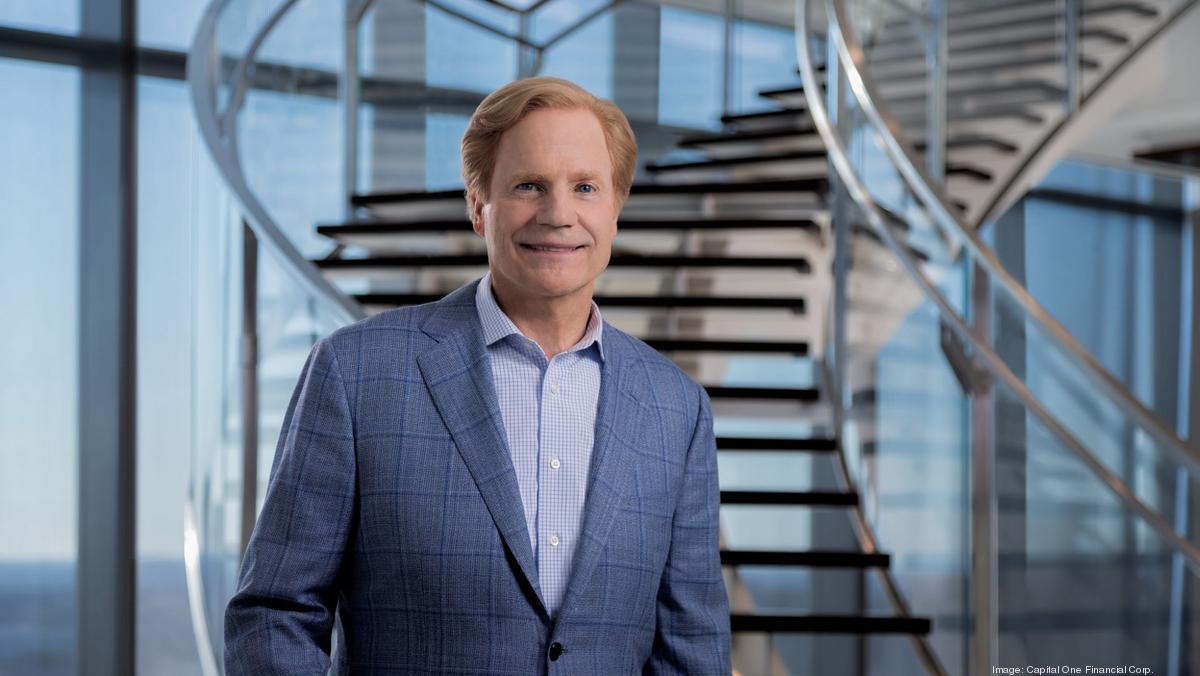
In the ever-evolving landscape of the financial industry, visionary leaders play a pivotal role in shaping the future of their organizations. Richard Fairbank, the CEO and Chairman of Capital One, is one such leader who has left an indelible mark on the world of banking and finance. With his innovative mindset and relentless drive, Fairbank has not only propelled Capital One to the forefront of the financial industry but has also redefined the way people think about banking. In this article, we will explore the life, career, and impact of Richard Fairbank on Capital One and the financial sector.
Early Life and Education
Richard D. Fairbank was born in 1950 in Philadelphia, Pennsylvania. He displayed an early aptitude for mathematics and problem-solving, which would later become the foundation for his career in finance. Fairbank pursued his undergraduate degree in economics at Stanford University, followed by an MBA from the Stanford Graduate School of Business. His academic journey laid the groundwork for his future success in the financial sector.
The Birth of Capital One
Fairbank’s journey in the financial industry took a significant turn when he co-founded Capital One in 1988. The company was established with a clear vision: to revolutionize the credit card industry by using data-driven strategies to offer tailored financial products to consumers. This approach was a game-changer in an industry dominated by traditional banks. Capital One’s innovative use of data analytics allowed them to assess a customer’s creditworthiness more accurately and offer personalized credit card products.
A Data-Driven Revolution
One of Fairbank’s defining characteristics is his relentless pursuit of data-driven decision-making. Under his leadership, Capital One became a pioneer in the use of big data and analytics to better understand customer behavior and preferences. This innovative approach not only enabled Capital One to make more informed lending decisions but also personalized their services for each customer. This customer-centric approach has been instrumental in building customer loyalty and trust, ultimately driving the company’s success.
Expanding Beyond Credit Cards
Richard Fairbank’s visionary leadership extended beyond credit cards. He recognized that to thrive in the highly competitive financial sector, Capital One needed to diversify its product offerings. The company expanded into various financial services, including auto loans, home loans, and retail banking. Capital One’s successful diversification was a testament to Fairbank’s ability to adapt to changing market dynamics and anticipate consumer needs.
Building a Culture of Innovation
Another aspect of Fairbank’s leadership that has been integral to Capital One’s success is the company’s culture of innovation. He encouraged a dynamic, creative environment where employees were empowered to think outside the box and come up with novel solutions. This approach led to groundbreaking innovations in financial technology, enhancing the company’s competitiveness in the digital age.
Community Involvement and Philanthropy
Richard Fairbank’s commitment to making a positive impact extends beyond the financial sector. He has been actively involved in philanthropic endeavors, including the Fairbank Center for Medical Ethics at Johns Hopkins University and the Fairbank Family Foundation. His contributions to healthcare, education, and various community initiatives reflect his dedication to improving society as a whole.
Conclusion
Richard Fairbank’s journey from co-founding Capital One to leading it as CEO and Chairman has been nothing short of extraordinary. His visionary leadership, coupled with an unwavering commitment to innovation and data-driven decision-making, has transformed Capital One into a global financial powerhouse. Fairbank’s impact on the financial sector is a testament to the power of disruptive thinking and the ability to adapt to changing times. As he continues to lead Capital One into the future, it is clear that his legacy will endure as a symbol of innovation and customer-centric banking in an ever-evolving industry.

