
Is the U.S. Already in a Recession? BlackRock CEO Sounds the Alarm — Here’s What You Need to Know

Is the U.S. economy in freefall? According to Larry Fink, CEO of BlackRock, one of the world’s largest investment firms, many top CEOs believe it already is. During a recent event, Fink made a shocking claim — that the U.S. is probably already in a recession. And if you’re thinking this is just another gloomy prediction, think again. Fink’s insights are backed by some serious red flags from the corporate world. But that’s not all: Fink also warned that former President Trump’s trade policies could push inflation even higher and leave the Federal Reserve with no choice but to raise interest rates. If you’re wondering what this all means for you, keep reading because this article is about to break down exactly what’s going on — and why you should be paying attention.
The Shocking Truth: Are We Already in a Recession?
Larry Fink’s Bold Prediction
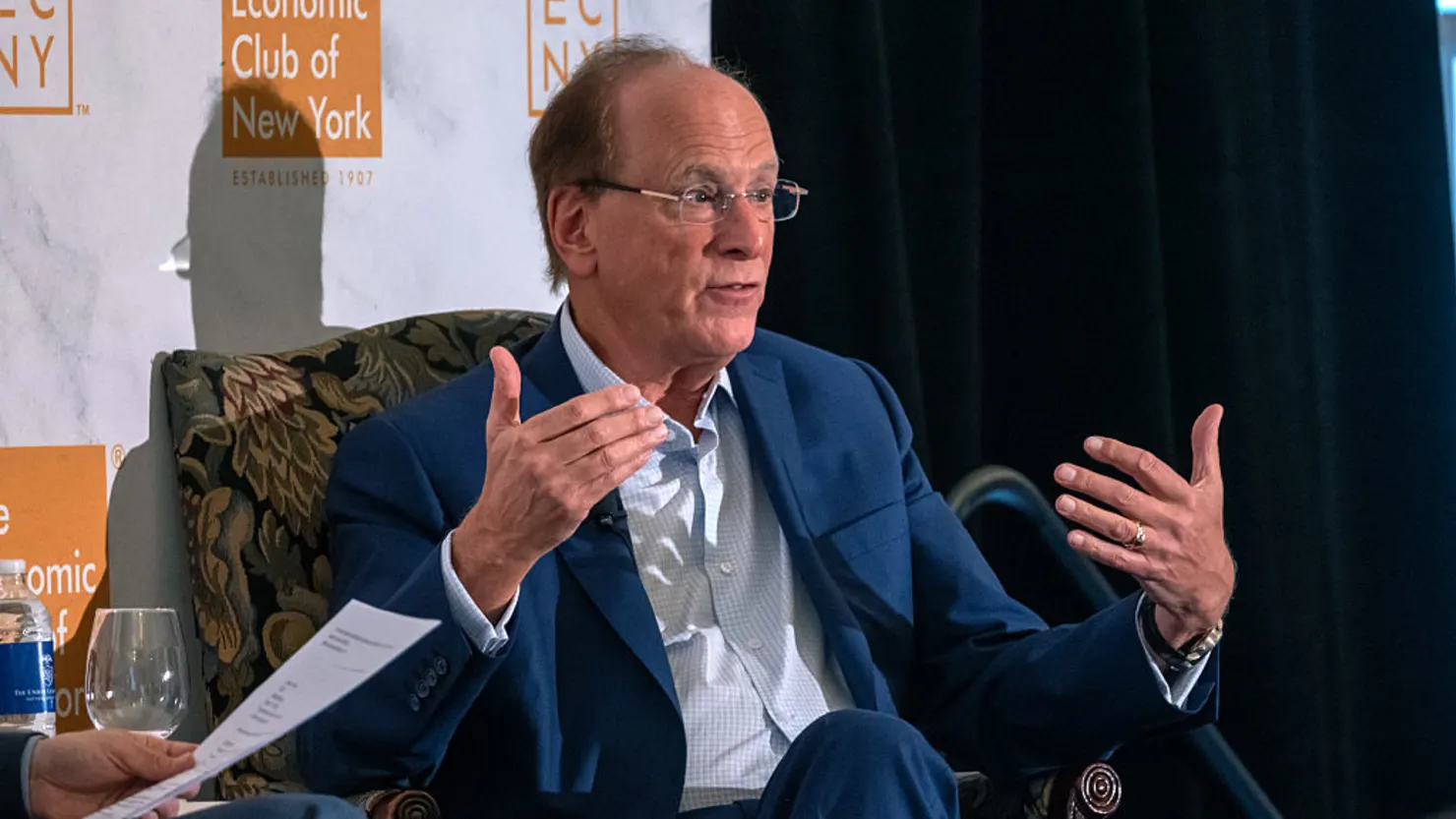
You’ve probably heard about the “recession talk,” but what does it really mean? Well, according to BlackRock’s Larry Fink, it’s not just talk — it’s reality. Fink revealed that many top CEOs are already convinced that the U.S. economy has entered a recession. He didn’t mince words when he said, “Most CEOs I talk to would say we are probably in a recession right now.”
But that’s not all. Fink shared a powerful analogy: the airline industry is a “canary in a coal mine.” What does that mean? Simply put, the airline sector is often the first to show signs of economic trouble, and according to Fink, the “canary” is already “sick.” This could be the first major warning sign for the entire economy.
Trump’s Trade War: The Hidden Crisis
How Trump’s Tariffs Are Causing Inflation to Skyrocket
If you think trade wars are a thing of the past, think again. Larry Fink pointed out that the trade policies introduced during Donald Trump’s presidency are still causing major issues. While tariffs on Chinese goods were meant to protect U.S. businesses, they’ve actually been pushing inflation higher. And here’s the kicker: Fink believes these tariffs will make it even harder for the Federal Reserve to manage the economy.
Fink explained, “This notion that the Federal Reserve is going to ease four times this year, I see zero chance of that.” Why? Because rising prices caused by tariffs are forcing inflation to stay elevated. Instead of lowering interest rates to stimulate growth during a downturn, the Fed may be forced to raise rates, making it more expensive for consumers to borrow money.
The Fed’s Dilemma: What’s Really Going On?
Why the Federal Reserve Can’t Save Us This Time
You’ve probably heard the Fed’s magic trick for saving the economy: lower interest rates. It’s the tool the central bank typically uses when the economy starts slowing down. But Fink is worried that the Fed won’t be able to pull this off.
Why? Because with inflation already high, the Fed might have no choice but to raise interest rates. That’s right — we could be in a situation where borrowing money becomes even harder, all while the economy continues to slow down. It’s a nightmare scenario that could hurt jobs, investments, and consumer spending.
What Does This Mean for Your Wallet?
How the Recession Could Affect You Directly
So, how does all this affect you? Well, it’s likely you’ll start feeling the squeeze sooner than you think. Here’s how:
- Higher Prices – Inflation could keep rising because of tariffs and other pressures. That means everyday goods like groceries, gas, and even rent could cost more.
- Rising Interest Rates – If the Federal Reserve raises rates, borrowing money becomes more expensive. So, if you’ve been planning to take out a loan or buy a house, you might find it’s harder — and pricier — than ever.
- Job Uncertainty – If we are indeed in a recession, businesses may start cutting back on hiring, or even lay off employees. It’s always the toughest for workers when companies are forced to tighten their belts.
Why You Should Be Worried — And How to Prepare
The signs are clear: the U.S. economy is showing multiple warning signals, and experts like Larry Fink are calling it. Whether or not we’re officially in a recession yet doesn’t matter — what’s clear is that things are slowing down.
But don’t panic just yet. There are steps you can take to protect your finances:
- Start Saving More – With inflation rising, you’ll need extra cash to weather any price hikes. Try cutting back on non-essential spending and building your savings.
- Get Your Debt in Check – If you’ve got high-interest debt, focus on paying it down. Higher interest rates could make it even harder to get rid of your debt later.
- Diversify Your Investments – If you’ve been sitting on stocks, consider diversifying into safer options like bonds or even gold, which often do well during economic uncertainty.
- Stay Informed – The economy is unpredictable right now, so keep yourself updated on what’s happening. The more you know, the better you can prepare.
The Big Question: Is a Recession Inevitable?
Larry Fink and countless CEOs think that the U.S. economy is already feeling the effects of a downturn, and the future isn’t looking great. Rising inflation, higher interest rates, and lingering trade policy issues mean we’re in uncharted territory.
Will the U.S. officially enter a recession? It’s hard to say, but the warning signs are everywhere. If you want to stay ahead of the curve, now is the time to start preparing for what could be a very bumpy economic ride.
The Calm Before the Storm?
The truth is, we might already be in a recession — and it could get worse before it gets better. The economy is facing several major challenges, from rising inflation to the impact of trade wars and uncertain Federal Reserve policies. Larry Fink’s warning is clear: this isn’t something to take lightly. The time to prepare is now.

