
Inside the $5 Million Pardon Market and Ukraine’s Bold Drone Assault on Russia: What You Need to Know This Weekend

The High-Stakes Business of Trump Pardons
How Pardons Became a Profitable Industry
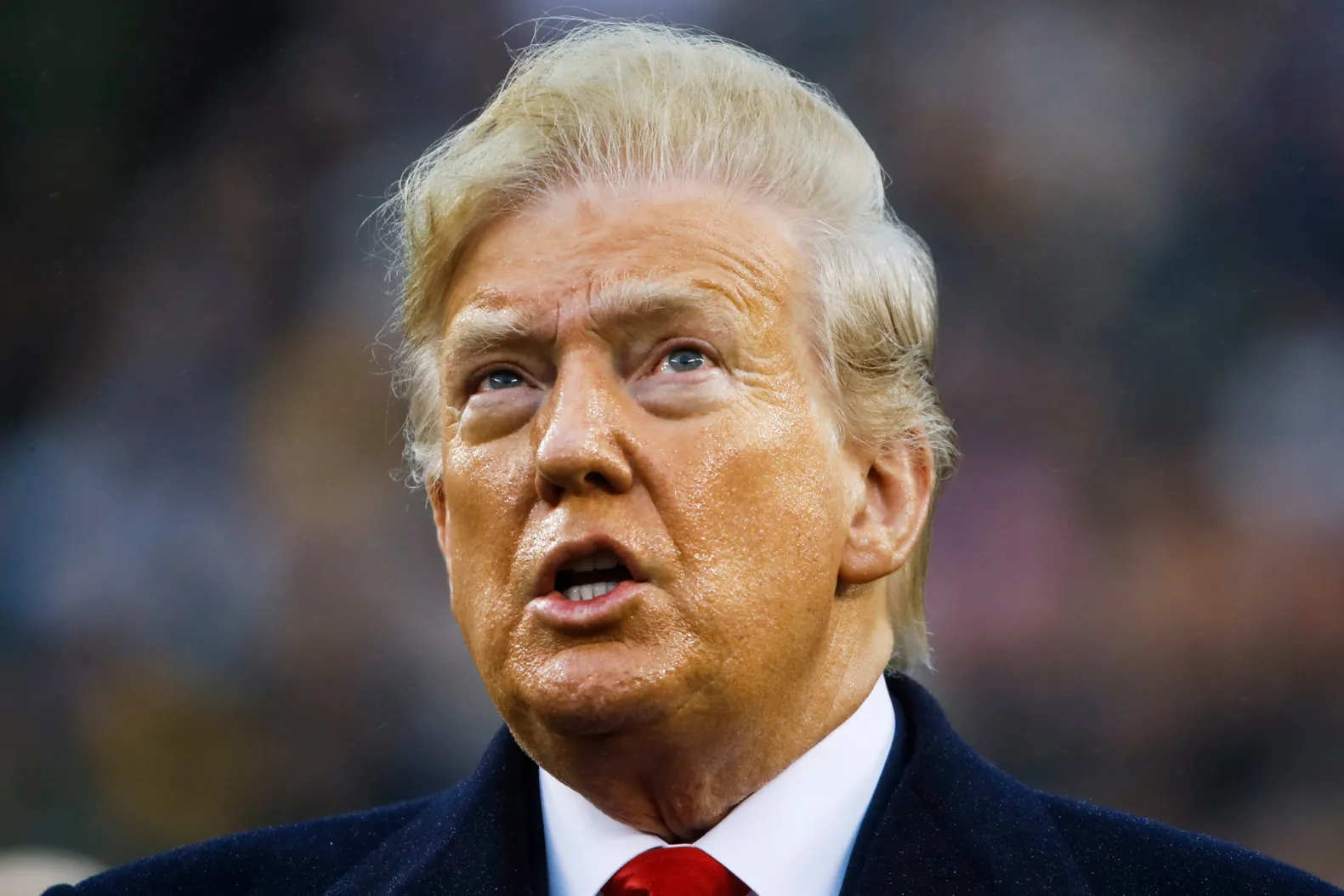
Seeking a presidential pardon has quietly turned into a booming business during Donald Trump’s time in office. Consulting and lobbying firms close to the Trump administration have capitalized on the opportunity, with some clients reportedly offering millions of dollars to get their clemency cases in front of the former president.
According to two people familiar with these efforts, one potential client offered $5 million to a well-connected lobbying firm for help pushing a case toward Trump’s desk. While that kind of money isn’t the norm, the fact that such offers are happening at all reveals a rapidly growing and ethically murky “pardon economy.”
Who’s Paying for Pardons?
The people behind these efforts aren’t your average citizens. They are often wealthy individuals convicted of white-collar crimes or politically connected offenses who believe a Trump pardon could clear their name and restore their reputation. For them, the price tag is worth the potential reward.
To pursue a pardon, they hire firms with close ties to the Trump circle. These firms then use their access and experience to lobby on their clients’ behalf, preparing detailed pardon applications, gathering letters of support, and pitching their cases in ways designed to appeal directly to Trump’s sensibilities.
Influence and Access: A Shadow Market
This new pardon marketplace has raised significant ethical concerns. Critics say it creates a two-tiered justice system—one for the wealthy and well-connected, and one for everyone else. The process is supposed to be fair and guided by the Justice Department’s Office of the Pardon Attorney. But Trump has repeatedly sidestepped that system, often granting pardons based on personal relationships or political loyalty.
Transparency is also lacking. Lobbying on pardons doesn’t always show up in public disclosures, and clients rarely talk openly about the fees they’re paying. As the demand for influence continues to rise, watchdogs warn this “clemency for cash” approach could undermine public trust in the legal system.
Ukraine Launches Bold Drone Strike Inside Russia
Ukraine’s Deepest Strike Yet
In a dramatic move that’s sending shockwaves across Europe, Ukraine carried out one of its most daring military strikes to date. Over the weekend, Ukrainian forces launched more than 100 drones deep into Russian territory, targeting key military airfields. The attack damaged or destroyed over 40 Russian aircraft, including advanced bombers and reconnaissance planes.
The operation was Ukraine’s largest drone assault since the war began, and it struck as far as Siberia—more than 1,200 miles from the Ukrainian border. It’s a clear message that Ukraine is willing and able to take the fight far beyond the front lines.
How Ukraine Pulled It Off
What makes the operation even more remarkable is how Ukraine did it. Reports suggest the drones were smuggled into Russia piece by piece over the course of 18 months. Once inside, they were stored in hidden compartments within trucks and mobile units, lying in wait until the signal came to strike.
The operation, code-named “Spiderweb,” was reportedly directed by Ukraine’s intelligence services with personal oversight from President Volodymyr Zelenskyy. This kind of long-range, covert operation shows a level of planning and patience that has surprised even some of Ukraine’s Western allies.
The Damage and the Message
Initial estimates put the cost of damages to Russia’s air force at more than $7 billion. That includes some of Russia’s most advanced aircraft, which are now grounded or destroyed. The attack not only dealt a serious military blow, but it also embarrassed the Kremlin by exposing vulnerabilities in its homeland defense.
The strike also came at a sensitive moment, as international talks aimed at finding a resolution to the war were underway in Istanbul. Some analysts believe Ukraine timed the strike to strengthen its position ahead of any future negotiations.
Speaker Mike Johnson Defends Trump’s Medicaid Work Rules
A Key Feature of Trump’s “Big, Beautiful Bill”
As Donald Trump gears up for another potential White House run, one of his major policy pushes is a sweeping healthcare reform package, dubbed the “Big, Beautiful Bill.” One of its most debated provisions is a new requirement that many Medicaid recipients must work or participate in job training to keep their coverage.
House Speaker Mike Johnson is firmly backing the proposal. He argues that requiring able-bodied adults to work will promote responsibility and reduce long-term dependency on government aid.
How the Rules Would Work
Under the plan, adults without disabilities or dependents would need to show proof of employment, volunteer service, or enrollment in a job training program for a minimum number of hours per week. If they fail to meet the requirement, they could lose their Medicaid benefits.
Proponents say the policy mirrors successful programs in other government aid systems and encourages people to move toward financial independence. They also believe it could save billions in taxpayer money over time.
Pushback and Concerns
But not everyone agrees. Critics argue the rules could unfairly punish people who face real barriers to employment—such as limited access to transportation, lack of childcare, or undiagnosed health issues. They worry the policy could result in thousands of low-income Americans losing their healthcare coverage unnecessarily.
Healthcare advocates and Democratic lawmakers are already lining up in opposition, and legal challenges are likely if the bill moves forward.
Weekend Rundown: What It All Means
- Pardons for Profit: Trump’s time in office saw the emergence of a pardon industry, where influence and money play a growing role in justice.
- Ukraine Strikes Deep in Russia: With drones flying thousands of miles, Ukraine is showing its ability to reshape the battlefield far from home.
- Medicaid Work Rules Debated: Trump’s healthcare overhaul includes controversial new requirements that could reshape Medicaid eligibility for millions.

