
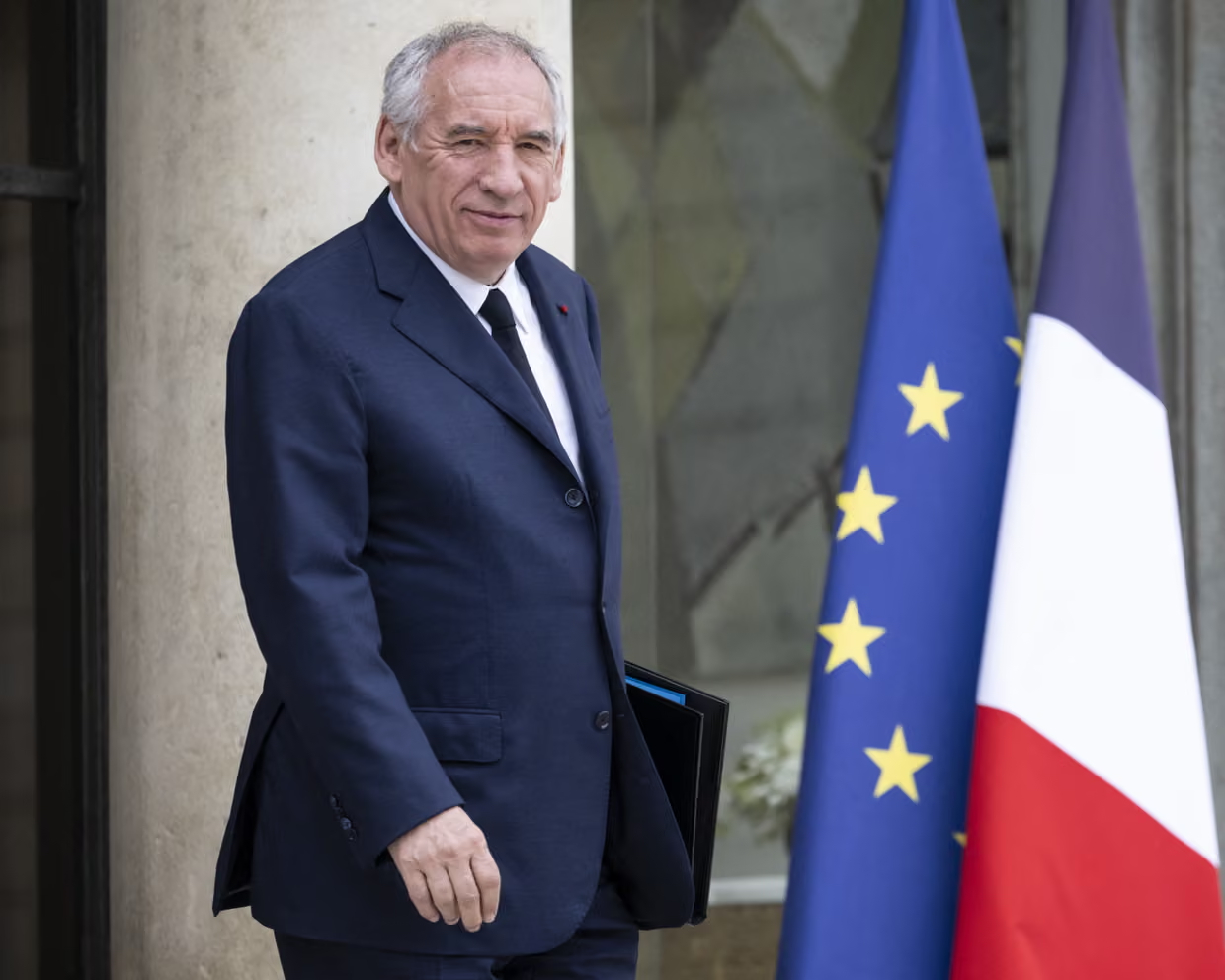
French Prime Minister Calls US-EU Trade Deal a “Dark Day” for Europe Amid High Tariffs on Exporters

French PM Criticizes New US-EU Trade Deal Over Heavy Tariffs on European Goods
The recently announced US-EU trade deal has drawn sharp criticism from French Prime Minister, who described the agreement as a “dark day” for Europe. Central to the controversy is the imposition of a 15% tariff on certain European exports to the United States, which far exceeds the current average tariff rate of just 4.8%.
This significant increase in levies threatens to hit European exporters hard, raising concerns about the future of transatlantic trade relations and Europe’s economic competitiveness.
Background: What Is the US-EU Trade Deal?
The trade deal was unveiled recently by then-US President Donald Trump and European Commission President Ursula von der Leyen. It aims to reduce some barriers and improve trade flows between the two largest economic blocs in the world.
While the deal includes provisions designed to enhance cooperation and reduce some regulatory hurdles, the announcement of increased tariffs on select European products has overshadowed the broader agreement, sparking political and business backlash.
Why the 15% Tariff Matters
Currently, European exporters face an average US tariff of around 4.8% on their goods. The new trade deal proposes a tariff hike on certain items to 15%, more than tripling the costs for European businesses trying to access the American market.
This sudden jump could make European products significantly less competitive in the US, forcing exporters to either absorb the costs, raise prices, or lose market share.
French PM’s comments underscore the economic risks involved. He warned that this tariff increase could:
- Hurt European manufacturers and farmers.
- Reduce export volumes to the US.
- Lead to job losses in export-dependent sectors.
- Strain political ties between Europe and the US.
French Concerns Reflect Broader European Anxiety
France’s critical stance is not isolated. Across Europe, governments and industry groups have voiced unease about the deal’s implications. Exporters from sectors such as agriculture, automotive, and luxury goods fear the tariffs will dampen demand for European products in the US market.
European business leaders have called for urgent negotiations to reduce tariff barriers and ensure a level playing field. Many argue that the deal falls short of expectations and does not sufficiently protect European economic interests.
Trump and Von der Leyen’s Vision for the Deal
In contrast, Donald Trump and Ursula von der Leyen highlighted the deal as a step toward deeper economic cooperation. They emphasized the potential to cut red tape, harmonize standards, and boost trade volumes.
Von der Leyen framed the agreement as a pragmatic solution to long-standing trade disputes and a foundation for future collaboration. Trump touted the deal as a win for American consumers and producers, aiming to protect US industries while maintaining access to European markets.
Five Key Takeaways From the Trade Deal
- Increased tariffs on select European products: The controversial 15% tariff rise marks a significant cost increase for exporters.
- Regulatory cooperation: Both sides agree to work toward reducing non-tariff barriers, such as differing product standards.
- Enhanced dialogue on trade disputes: The deal establishes frameworks to resolve trade disagreements more swiftly.
- Focus on strategic sectors: Special attention is given to industries like automotive, aerospace, and agriculture.
- Commitment to ongoing negotiations: Both parties pledge to continue discussions to further deepen trade ties.
What This Means for Businesses and Consumers
European exporters will likely face increased pressure to either absorb the higher tariff costs or pass them on to US consumers, potentially leading to higher prices and lower sales volumes.
US businesses, meanwhile, may benefit from better access to European markets if tariff reductions or regulatory harmonization materialize. However, the imbalance created by the tariff hikes could provoke retaliatory measures or stall future negotiations.
For consumers on both sides of the Atlantic, the deal’s effects could translate to changes in product availability, prices, and variety.
The Political Fallout and Future Prospects
The backlash from European leaders, especially France, signals potential challenges ahead for the US-EU partnership. As trade tensions simmer, there is a risk that the deal could become a source of friction rather than cooperation.
European governments may seek to leverage political and diplomatic channels to negotiate more favorable terms or mitigate tariff impacts. There is also speculation that future US administrations might revisit or modify the agreement.
A Complex Step in Transatlantic Trade Relations
The US-EU trade deal represents a complex balancing act between opening markets and protecting national interests. While it promises increased cooperation, the steep tariff hikes on European goods have marred its reception, particularly in France.
As the world’s two largest economies navigate this new chapter, the success of the deal will depend on continued negotiations, mutual concessions, and the ability to address the concerns of exporters and consumers alike.
For now, the French Prime Minister’s stark warning serves as a reminder that trade agreements can have deep economic and political consequences — and that careful management is required to ensure they benefit all parties involved.

