
Cost Cutting vs. Executive Perks: The Unequal Reality of Corporate Belt-Tightening

In a time of economic uncertainty, layoff announcements, and company austerity, one glaring paradox persists throughout America’s business landscape: as thousands of workers lose their jobs and undergo budget slashing, most CEOs continue to have private jets, elite retreats, and multimillion-dollar luxuries. This disconnect between boardroom extravagance and worker reality is spurring renewed controversy over corporate ethics, CEO accountability, and the image of executive privilege in hard times.
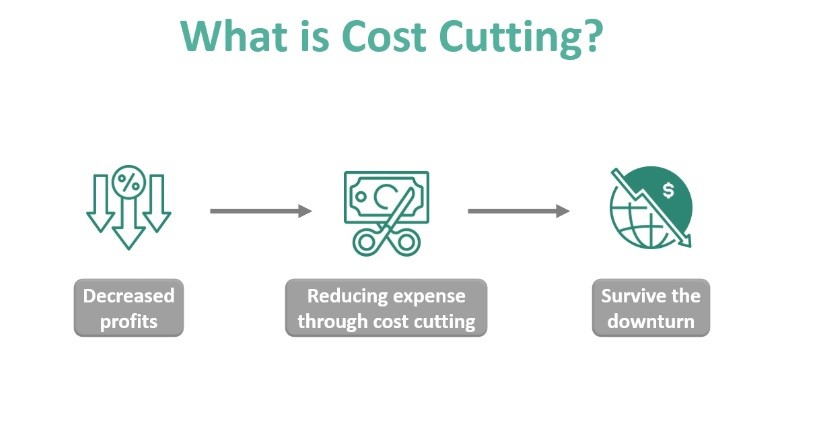
Throughout industries—technology, finance, and more—businesses are pinching pennies. Giant corporations like Google, Meta, and Amazon have cut tens of thousands of workers over the last two years in attempts to “streamline operations” and increase profitability. Meanwhile, executive compensation filings indicate that numerous chief executives are still taking home big perks, such as use of personal planes, mansions paid for by their employers as housing allowances, and security costs reimbursed by their firms.
As recently reported in the Wall Street Journal, even with comprehensive cost-cutting initiatives, most of the S&P 500 companies that downsized in the last year continued or even raised spending on executive travel and benefits. For example, corporate filings indicate that some top executives flew on company jets for personal travel—even when their firms announced cutbacks or suspended bonuses for workers.
A Question of Optics and Fairness
The problem is not only financial but ethical and perceptual. When firms tout openly “discipline” and “operational efficiency” yet insulate their managers from sacrifice, it opens a widening credibility gap. To their employees and shareholders, those discrepancies oftentimes portend misplaced priorities.
“Leaders set the tone for a company’s culture,” said governance expert Melissa Davis. “If a CEO is flying private while hundreds of staff are losing their jobs, the message is clear—it’s not ‘we’re all in this together,’ it’s ‘you’re on your own.’”
This sense of unfairness has tangible implications. In a 2025 Glassdoor survey, it was determined that 68% of the employees who went through layoffs in their companies reported losing their confidence in leadership, and the reason for this was primarily cited as executive privilege. This loss of confidence can eventually affect the morale of the company, productivity, and even brand image.
The Argument for Executive Perks
Critics of executive perks acknowledge that the benefits are usually attached to valid business requirements. Most CEOs head multinational firms with incessant traveling, security escort, and flexible working conditions. Private aircraft, they assert, are not emblems of extravagance but instruments of productivity and safety—particularly in the context of rising global threats and time-sensitive decision-making.
“These are high-stakes roles that demand availability around the clock,” said Richard Moore, a corporate compensation consultant. “Private travel ensures confidentiality and maximizes productivity. In many cases, it’s a justified business expense rather than an indulgence.”
Also, firms usually argue that such benefits are included in competitive compensation packages in order to entice and retain star performers in a high-stakes corporate setting. To them, removing these privileges could destabilize executive performance or drive leaders to competing firms.
The Broader Economic Context
The debate also captures wider strains in the U.S. economy, where the recovery in corporate profits has outpaced wages or job growth. Even as inflation has fallen and markets have rebounded, numerous companies still maintain cost-cutting mentalities and point to global uncertainties—from artificial intelligence disruption to supply chain volatility—to justify thrifty spending.
But fiscal responsibility, the critics say, has to be applied consistently at all levels of the organization. When a firm declares layoffs to “save money” but then boosts the budget for executive compensation, it calls into question basic questions of governance and equity.
The Path Toward Responsible Leadership
Experts advise that proportionality and transparency should lead corporate executive benefit decisions. Open communication, public disclosure, and congruence between executive compensation and firm performance can reduce perceptions of unfairness. Some companies are beginning to move in this direction—tying CEO bonuses to employee satisfaction measures or reducing discretionary benefits during layoffs.
“Leadership credibility is established not during times of plenty, but during difficult times,” Davis said. “When CEOs opt to join their employees in making sacrifices, it sends a strong message about integrity and cohesion.”
As businesses chart a rough global economy, the debate over cost-cutting and executive perks is sure to grow fiercer. At the end of the day, the issue isn’t whether CEOs should be comfortable or convenient—it’s whether they’re willing to set an example when everyone else in the company is being asked to buckle down.
Inside the boardroom, as in the economy, perception is reality. And in an era where trust is worth more than profit, corporate executives might discover that real luxury is not what they retain—but what they earn.

