
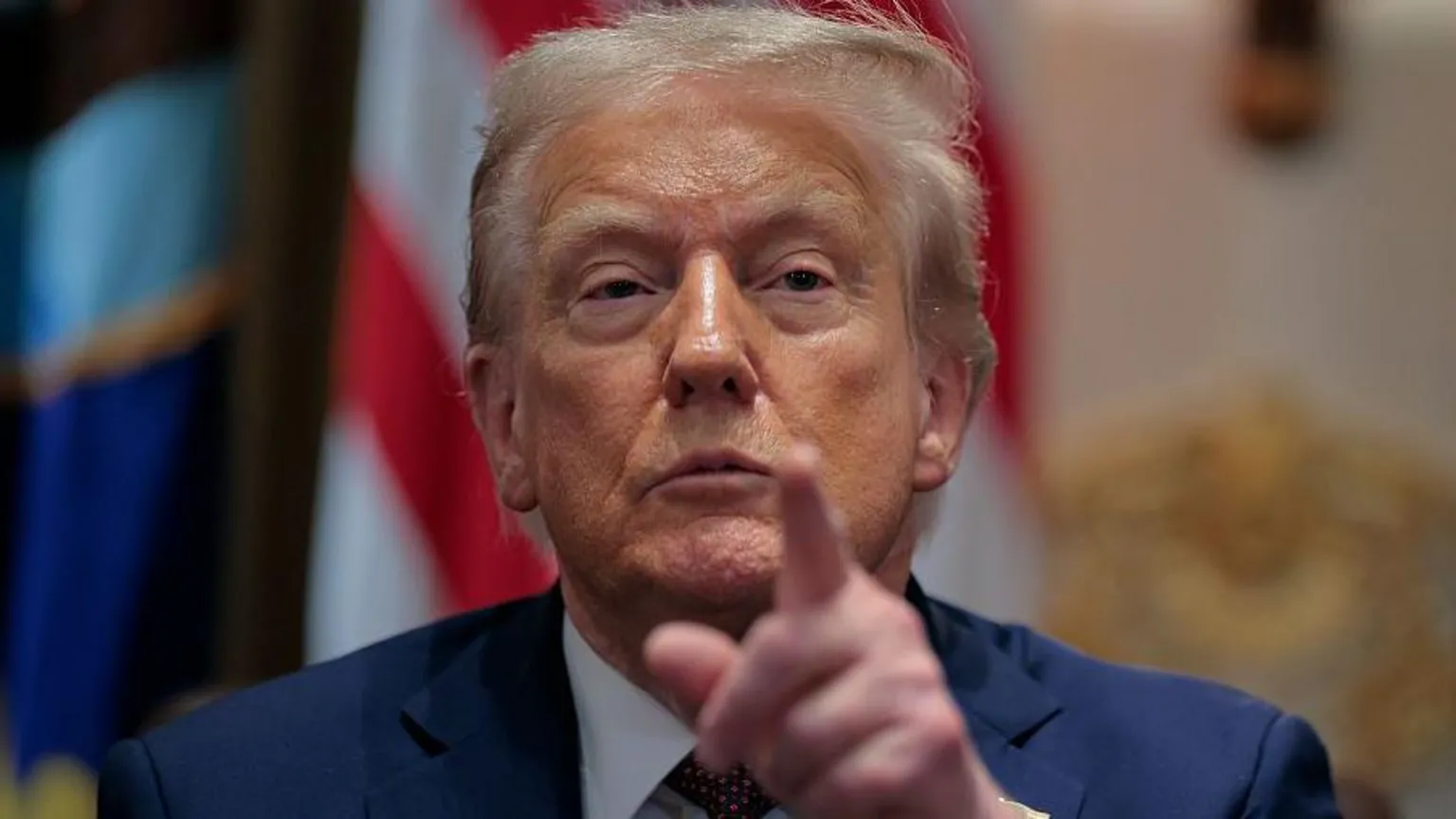
Trump Claims India Offered to Scrap Tariffs as Trade Row Deepens Over Russian Oil

Trump calls India-US trade ties a “disaster”
Former US President Donald Trump has once again taken aim at India, claiming that New Delhi has offered to remove tariffs on American goods “to nothing.” Despite this assertion, he described the current state of trade between the two countries as a “totally one-sided disaster.”
Trump’s latest comments come at a time when US tariffs of 50 percent on Indian goods — including a 25 percent penalty tied to India’s continued purchase of Russian oil — went into effect just last week.
India silent on Trump’s claims
So far, India has not officially responded to Trump’s remarks. However, the war of words underscores a growing rift between Washington and New Delhi, driven primarily by India’s refusal to cut off energy imports from Russia despite Western sanctions.
The disagreement has pushed India-US ties to what observers describe as their lowest point in years. While the two nations continue to cooperate in areas such as defense and technology, trade has become a major sticking point.
Tariffs and penalties fueling tensions
The new 50 percent US tariff regime has hit a wide range of Indian exports, making them less competitive in the American market. According to US officials, half of that tariff is a penalty linked to India’s refusal to halt oil purchases from Moscow. Washington has repeatedly urged India to align with Western sanctions, but New Delhi has defended its imports as necessary for its energy security.
India has argued that it buys Russian oil at discounted rates, which helps stabilize domestic prices and protect its growing economy from global energy shocks. Officials in New Delhi have also pointed out that other countries, including several in Europe, continue to import Russian energy despite sanctions.
Modi meets Xi and Putin at SCO summit
Trump’s remarks coincided with Indian Prime Minister Narendra Modi’s attendance at the Shanghai Cooperation Organisation (SCO) summit in Tianjin. At the meeting, Modi held talks with Chinese President Xi Jinping and Russian President Vladimir Putin, signaling India’s continued engagement with both Moscow and Beijing despite tensions with the United States.
For Washington, Modi’s outreach at the SCO is likely to raise concerns that India is drifting closer to China and Russia at a time when the West is seeking to isolate Moscow over its actions in Ukraine.
A complex balancing act for India
India has long walked a fine line in its foreign policy. While deepening its strategic partnership with the United States, particularly in defense and Indo-Pacific security, it has also maintained strong ties with Russia, its long-time supplier of military equipment and energy.
The dispute over oil imports illustrates this balancing act. On one hand, India values its growing partnership with Washington, which has become increasingly important in countering China’s influence in Asia. On the other, it remains unwilling to abandon its energy and defense ties with Moscow.
Analysts note that Trump’s tariff penalties and sharp rhetoric risk pushing India further toward Russia and China rather than bringing it closer to the US.
The broader impact on India-US relations
Trade disputes between the US and India are not new. Even before the Russia issue, the two countries clashed over tariffs on products such as steel, aluminum, and agricultural goods. The Trump administration had previously withdrawn India’s preferential trade status under the Generalized System of Preferences (GSP), arguing that India was not providing equal market access to American firms.
Now, the Russia-related penalties have escalated tensions to a new level. The combination of tariffs, public criticism, and pressure over foreign policy choices has created a perception in New Delhi that Washington is an unpredictable and difficult partner.
At the same time, many in Washington remain frustrated that India, a key partner in the Quad security grouping alongside the US, Japan, and Australia, has not aligned more closely with Western sanctions on Russia.
What comes next
Whether India did, in fact, offer to cut tariffs “to nothing,” as Trump claims, remains unclear. Without an official response from New Delhi, the statement may reflect more rhetoric than reality. Still, the tensions highlight the fragile state of economic ties between the two democracies.
The coming months will reveal whether the two countries can find common ground. Potential areas of negotiation include reducing specific tariffs, expanding energy cooperation, and creating exemptions for strategic goods. However, with political mistrust deepening, the road ahead looks uncertain.
India’s participation in multilateral forums like the SCO, where it engages directly with Russia and China, will add further complexity to its balancing act. Washington may view these moves with suspicion, while New Delhi will continue to emphasize its need for strategic autonomy.
Trump’s claim that India has offered to scrap tariffs on US goods adds another layer to an already tense relationship. While both countries benefit from strategic cooperation, trade has become a flashpoint that risks undermining broader ties.
As India maintains its energy imports from Russia and strengthens ties with partners like China, Washington faces the challenge of keeping New Delhi onside without alienating it further. For India, the challenge lies in managing its multiple partnerships without becoming trapped between competing global powers.
For now, one thing is clear: predictability in India-US trade relations remains elusive, and the tariff battle shows no signs of easing soon.

