
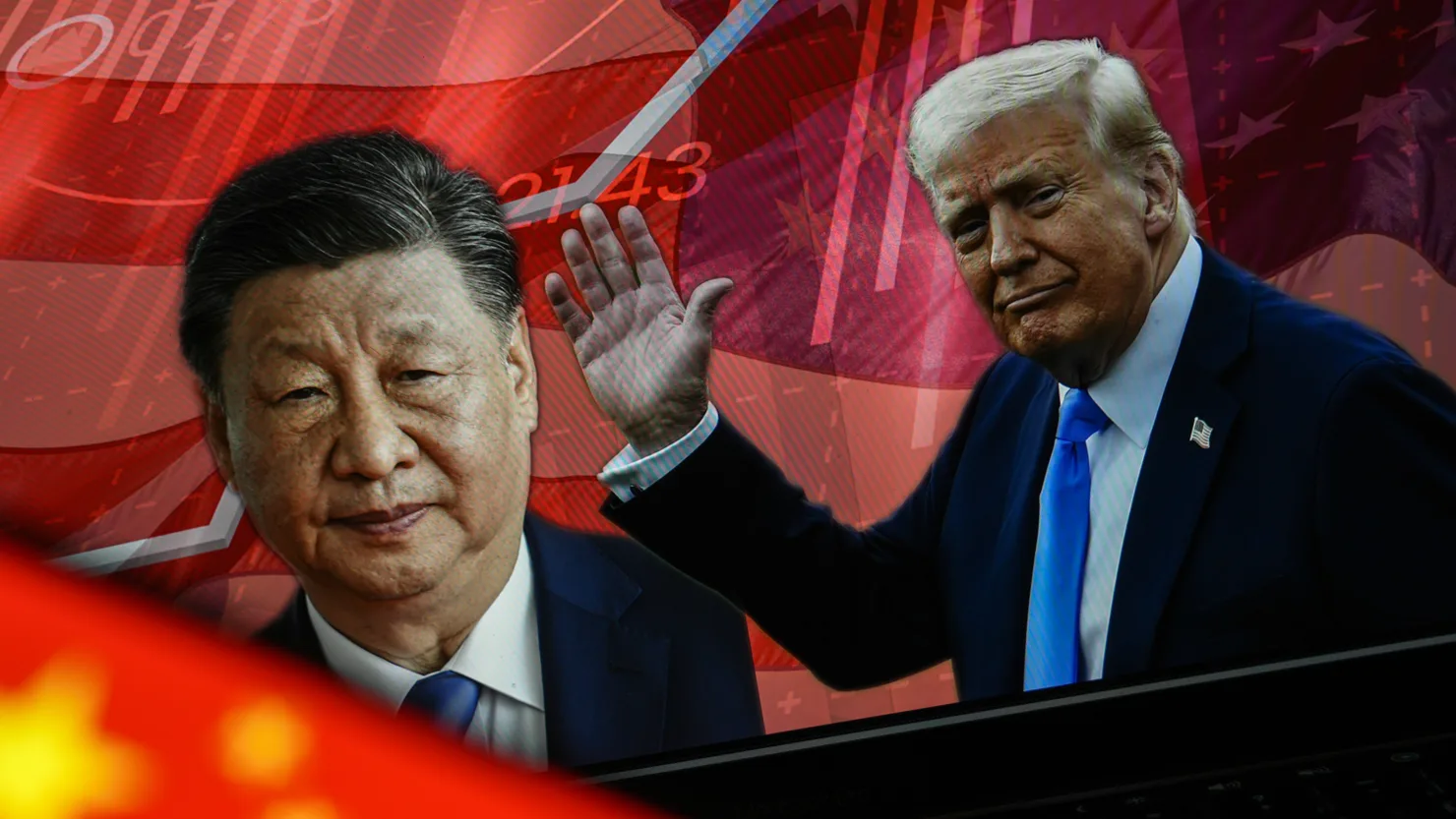
China Just Took a Shocking Step in the Trade War – U.S. Companies Could Be Next Victims

China Takes Aim at U.S. Services in Bold Trade War Move
In a move that could send shockwaves through global markets, China has decided to target U.S. services as part of its escalating trade war with the United States. While the Trump administration has mostly focused on imposing tariffs on goods, Beijing is now fighting back with non-tariff measures, specifically aimed at undermining the massive U.S. services trade surplus with China.
Could consulting firms, travel agencies, and financial services be the next casualties of this heated trade war?
Why Is China Targeting U.S. Services Now?
While the U.S. services sector has been one of its strongest trade advantages over China, Beijing’s latest moves signal a major shift in the trade conflict. Here’s why China is targeting this high-value area:
1. The U.S. Dominates Services Exports to China
For years, the U.S. has enjoyed a trade surplus in services such as consulting, travel, and finance with China. But as the trade war intensifies, China has decided to strike back in areas where the U.S. has been winning. By hitting U.S. companies in these industries, China hopes to level the playing field.
2. Services Are the New Frontier of the Trade War
Until now, the U.S.-China trade war has been mainly about tariffs on physical goods, but this new move into the services sector means things are about to get a lot more complicated for U.S. companies operating in China.
Could U.S. Companies Be Facing Major Roadblocks in China?
This shift towards services has big implications for U.S. businesses. If China tightens its services trade restrictions, companies in industries like consulting, legal services, and finance could face massive challenges. Here’s how these industries might be affected:
1. Travel & Tourism: The First Victim?
China has been a goldmine for U.S. travel and tourism companies, with millions of Chinese visitors flocking to the U.S. each year. But if Beijing imposes visa restrictions or travel bans, U.S. tourism companies might see their profits plummet.
2. Consulting Firms at Risk
U.S. consulting giants like McKinsey, Accenture, and Boston Consulting Group have long relied on China’s booming economy. But now, as China tightens the screws, these firms could see their expansion plans in China blocked or made increasingly difficult. The result? A major blow to their bottom lines.
3. Financial Services Under Fire
U.S. banks and financial institutions, which have made huge inroads into China, may now face new barriers to their operations. China’s focus on restricting access to its financial markets could hit companies like Goldman Sachs and JPMorgan Chase where it hurts most.
What’s China’s Real Game Plan?
According to Wendy Cutler, Vice President at the Asia Society Policy Institute, China is sending a clear message to Washington: “two can play at this game”. By hitting back at the U.S. in the services sector, China is reminding Washington that it has plenty of economic levers it can pull to hurt American companies.
Beijing’s strategy might seem like a counter-punch, but it could have far-reaching consequences for global trade. Here’s why:
The Bigger Picture: What Could This Mean for Global Markets?
China’s bold move to target U.S. services isn’t just about retaliation — it’s part of a bigger geopolitical game with serious consequences. Here’s why the world should pay attention:
1. Shifting Trade Alliances
With both U.S. and China locked in a trade war, countries around the world may be forced to choose sides or find new trade partners. This could lead to new trade dynamics and potentially shift the balance of global power.
2. Risk of Global Supply Chain Disruptions
As global trade continues to be affected by the escalating U.S.-China conflict, companies may face serious supply chain disruptions. U.S. companies, especially those with significant operations in both countries, may need to rethink their strategies.
3. Services Trade Becomes the New Battleground
With China targeting services, the entire nature of the trade war is shifting. Countries and companies now need to be prepared for this new phase in the conflict, where digital services and intellectual property could become the next choke points.
What’s Next for U.S. Companies in China?
With China aggressively targeting the services sector, U.S. companies may soon find themselves facing a tough decision: adapt to China’s new rules or exit the market entirely. Here’s what could happen next:
1. Potential Services Restrictions
If China imposes new regulations or restrictions on U.S. services, companies in consulting, finance, and tourism might face limited access to the Chinese market. Legal services, too, could be restricted as Beijing looks to tighten its grip on foreign influence in its legal and financial systems.
2. A Deepening Trade Divide
As China moves further into the services sector, it could sharpen the divide between U.S. and Chinese trade relations. The result? A long-term impact on global trade agreements and a further complication for companies with operations in both countries.
3. Rising Tensions Could Lead to More Retaliation
China’s latest move is just the beginning. As both sides continue to escalate the trade war, more sectors could face retaliatory measures. From technology to agriculture, every industry could soon feel the economic heat.
A New Phase of the U.S.-China Trade War Has Begun
China’s aggressive move to target U.S. services in the ongoing trade war marks a dramatic escalation that could reshape global trade. While the U.S. has focused on tariffs on goods, China is now shifting the battlefield to services — and it could mean serious consequences for U.S. businesses.
As the U.S. and China continue to clash over trade, it’s clear that the stakes are getting higher. For consulting firms, travel agencies, and financial services, the next chapter in the trade war could be a game changer.

