
U.S. Sends Strong Message of Support to Taiwan as China Escalates Military Drills Near the Island

Rising Tensions in the Taiwan Strait
Tensions in the Taiwan Strait are reaching new heights as China continues its large-scale military drills near Taiwan, and the United States is stepping up to reaffirm its commitment to the island’s security. This provocative move by Beijing comes as Chinese forces engage in live-fire exercises, practicing various military strategies aimed at intimidating Taiwan. In response, the U.S. has made it clear that it stands firmly by its support for Taiwan, underscoring its commitment to maintaining peace and stability in the region.
But why is this happening now, and what does it mean for the future of Taiwan? Let’s break it down.
What’s Happening in the Taiwan Strait?
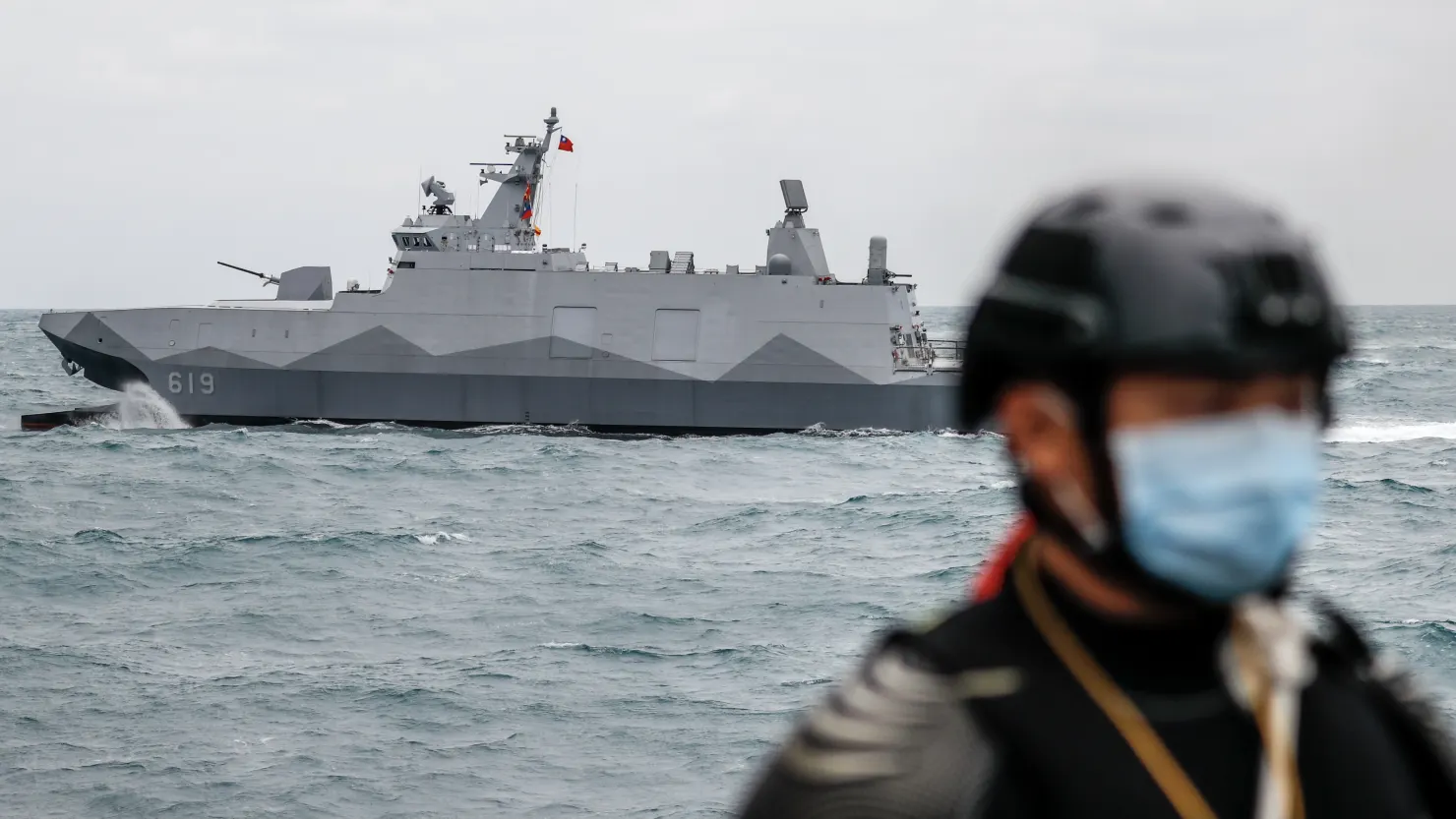
Over the past few days, China has conducted a series of large military drills just off the coast of Taiwan, marking the second day of intensive operations. These exercises involve a mix of ground, naval, and air forces. The focus appears to be on simulating attacks on both maritime and land targets, with the added complexity of conducting joint operations that involve multiple branches of the military. The goal, according to Chinese military officials, is to enhance their ability to coordinate and execute operations that could potentially block Taiwan’s access to crucial maritime routes.
While these drills are officially framed as a “stern warning” against any forces attempting to disrupt peace in the Taiwan Strait, they are also viewed as part of China’s ongoing strategy to intimidate Taiwan and demonstrate its military prowess. The exercises are raising alarms in the region and are seen as a clear escalation of China’s aggressive posture toward the democratically governed island.
U.S. Reaffirms Support for Taiwan
As China extends its military drills, the United States has responded with a strong statement of support for Taiwan. On Tuesday evening, U.S. Department of State spokesperson Tammy Bruce made it clear that Washington is fully committed to backing Taiwan, despite the rising tensions. She emphasized that the U.S. stands in solidarity with its allies, including Taiwan, against China’s intimidating tactics and destabilizing behavior.
“In the face of China’s intimidation tactics and destabilizing behavior, the United States’ enduring commitment to our allies and partners, including Taiwan, continues,” Bruce said.
This statement is part of a broader U.S. policy aimed at deterring China from any aggressive action toward Taiwan. The U.S. has long supported Taiwan through arms sales, military cooperation, and diplomatic engagement, and this latest reaffirmation highlights the continued importance of this commitment, particularly as Beijing ramps up its pressure on the island.
Why Are China and Taiwan at Odds?
To understand the current situation, we need to take a quick look at the background of the Taiwan-China relationship. The island of Taiwan is home to a democratic government that operates independently of mainland China. However, Beijing views Taiwan as a breakaway province that should eventually be reunited with the rest of China, by force if necessary.
This has created a constant source of tension, with Beijing periodically making threats to bring Taiwan under its control. Taiwan, on the other hand, maintains that it is a sovereign state and has sought international support to protect its independence. The situation is further complicated by the fact that Taiwan is a key economic player in the region and has strong ties with the United States and other Western nations.
The U.S. follows a policy of “strategic ambiguity,” which involves supporting Taiwan’s self-defense capabilities while not formally recognizing it as an independent state. This delicate balancing act aims to prevent China from taking military action while also discouraging Taiwan from declaring formal independence, which would likely provoke a severe response from Beijing.
What Are China’s Military Exercises Trying to Achieve?
The current military drills by China are not just about showing force—they also serve as a message. By conducting these large-scale operations, Beijing is sending a clear signal to Taiwan and the international community that it is ready and capable of asserting its will over the island. The exercises are designed to showcase China’s military readiness and test its ability to execute joint operations across multiple branches of the armed forces.
China’s military has been modernizing for years, and these drills are a reminder of the growing power of the Chinese military. Analysts suggest that these exercises are also an effort to enhance China’s ability to enforce a potential blockade of Taiwan, should Beijing decide to escalate matters further.
The Chinese government has described these exercises as a “stern warning” against anyone attempting to challenge China’s claims over Taiwan. The implication is clear: any effort to undermine China’s authority over Taiwan will face significant military consequences.
What Does This Mean for Regional Stability?
Experts are warning that the situation in the Taiwan Strait could be reaching a critical juncture. According to analysts at the Eurasia Group, the chances of a “cross-strait crisis” this year are increasing. The ongoing military exercises, combined with the heightened rhetoric from both Beijing and Washington, create an environment of uncertainty and potential conflict.
The international community is watching closely as the balance of power in the region shifts. If the U.S. continues to support Taiwan, as it has done for decades, it could provoke further retaliation from China. On the other hand, if the U.S. were to reduce its support for Taiwan, it could embolden Beijing to take more aggressive actions.
Given the stakes, the situation in the Taiwan Strait remains one of the most volatile and high-risk areas of international relations. The potential for miscalculation, military clashes, or even a broader conflict is a real concern, and all eyes are on the U.S. and China to see how they will navigate these rising tensions.
U.S. and China: A Delicate Balance
The U.S. and China are at a crossroads when it comes to their relationship with Taiwan. Washington has made it clear that it will continue to support Taiwan’s right to self-defense, and it has warned China against taking military action. However, Beijing views any U.S. intervention as interference in its domestic affairs and a challenge to its territorial claims.
The U.S. has long maintained a policy of supporting Taiwan without provoking China too directly. This has been a delicate balancing act, but as China’s military capabilities grow, the pressure on the U.S. to take a stronger stance on Taiwan is mounting. At the same time, the U.S. must also be careful not to escalate tensions too far, as China is a major global power, and any conflict in the region could have far-reaching consequences.
What’s Next for Taiwan and the Taiwan Strait?
As China’s military exercises continue, the world is watching closely to see how both Beijing and Washington will respond. The situation remains fluid, and the potential for further escalation is high. The U.S. has made its commitment to Taiwan clear, but it remains to be seen how China will react to this continued support.
In the coming weeks and months, the international community will need to carefully monitor developments in the Taiwan Strait. While the U.S. stands firm in its support for Taiwan, the growing tensions between China and Taiwan could lead to unpredictable outcomes.
For now, the hope is that diplomacy and deterrence can maintain the fragile peace in the region. However, as analysts have pointed out, the possibility of a crisis is very real, and the situation in the Taiwan Strait will continue to be a major flashpoint in global geopolitics.

