
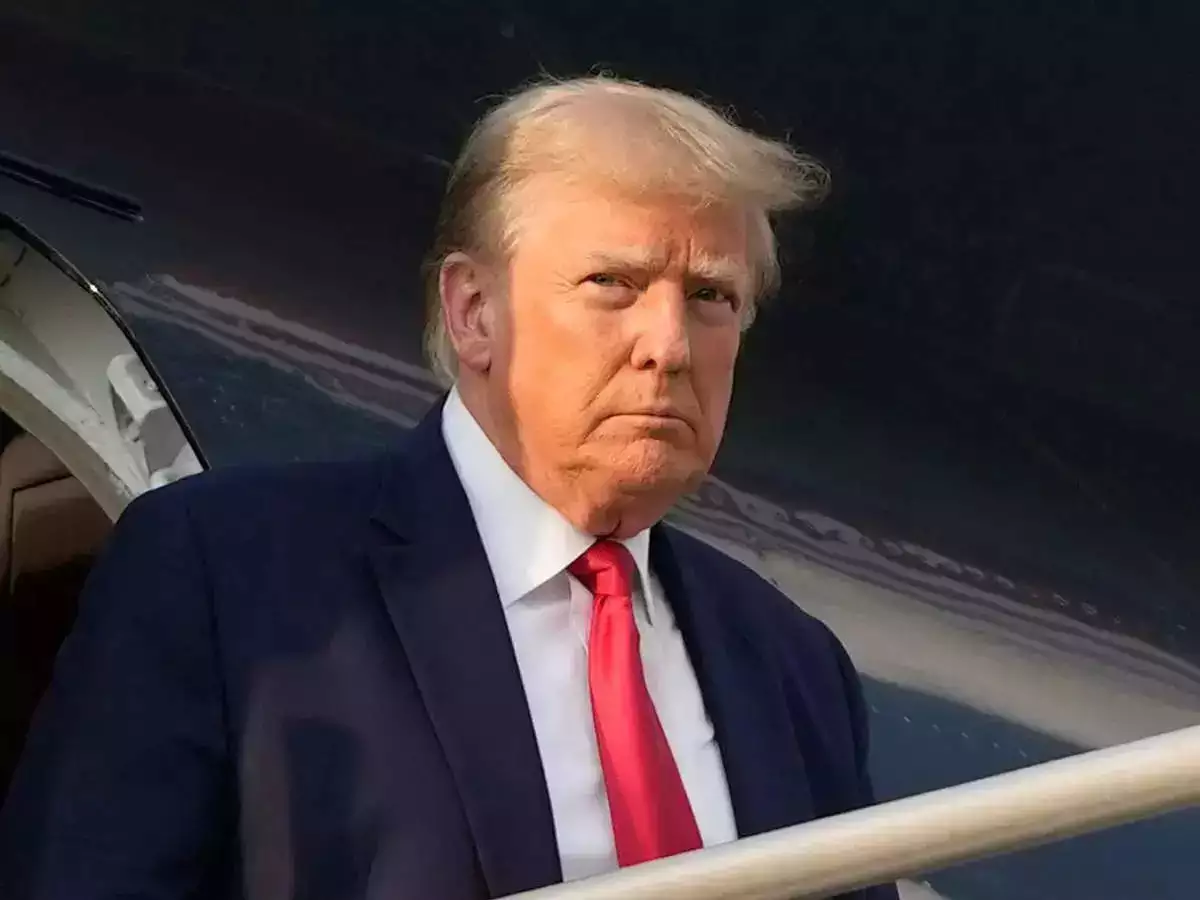
Trump’s Tariffs Will Hit U.S. Harder Than Europe—Top Banker Reveals Shocking Truth

Trump’s Tariff War: U.S. to Suffer More Than Europe, Warns Top Santander Boss
In a bold and eye-opening statement, Ana Botín, the chairwoman of global banking giant Santander, has revealed shocking news: Trump’s tariffs will hit the U.S. economy harder than Europe. This warning comes amid rising global trade tensions, and it could mean big trouble for U.S. consumers in the very near future.
So, why exactly will the U.S. feel the pain first? Botín’s analysis sheds light on how President Trump’s escalating trade wars could send inflation soaring in the U.S., while Europe may dodge some of the immediate fallout. If you’re an American consumer, brace yourself—this might get worse before it gets better.
The U.S. Faces a Tariff Crisis: Here’s Why
Higher Costs, Higher Prices
Imagine paying more for everything—from your favorite tech gadgets to basic household goods. That’s exactly what Trump’s tariffs could do to U.S. consumers. According to Botín, tariffs on imports will result in higher prices for everyday products. That means the cost of living will rise, and it could hit American wallets hard.
From food to electronics, businesses that rely on imported materials will likely pass on the extra costs to YOU. Inflation could soar, leaving many families struggling to make ends meet. And don’t expect any quick relief—this could drag on for months.
The Hidden Cost to U.S. Businesses
But it’s not just consumers who will feel the pinch. American companies, especially small businesses, will also face rising import costs. If they can’t absorb these higher costs, they’ll raise their prices, further fueling inflation. Some businesses might even have to cut jobs or reduce their operations to survive. The U.S. economy could be in for a rough ride.
Europe Gets Off Easy—For Now
While the U.S. braces for impact, Europe might be in for a smoother ride, at least in the short term. Botín suggests that the European economy will be less affected by Trump’s tariffs compared to the U.S. In fact, Europe’s diversified trade relationships and lower reliance on certain imports mean it won’t face the same price hikes or business disruptions.
Why Europe Isn’t As Vulnerable
Europe’s economy has a broader range of trading partners, which could help cushion the blow from the tariffs. Meanwhile, the U.S., heavily reliant on specific imports, will likely see more immediate disruptions. Europe may still face longer-term challenges, but it will take much longer for those effects to fully materialize.
The result? In the short term, Europe could experience less economic strain, while America feels the pressure almost immediately. Talk about a major economic disparity!
The U.S. Faces an Inflation Nightmare—But Will It Last?
The biggest concern for U.S. consumers is the threat of rising inflation. As tariffs make goods more expensive, U.S. families could face a budget squeeze. From the grocery store to your next online shopping spree, everything could cost more.
But that’s not all—higher inflation could lead to the Federal Reserve raising interest rates to control prices. This could make borrowing more expensive and put the brakes on economic growth. For the U.S., the economic ripple effects could be catastrophic if the situation escalates.
What Happens Next?
If the tariff crisis continues, the U.S. economy could face an economic slowdown, with higher prices, lower consumer spending, and even job losses. President Trump’s aggressive trade policy could backfire and send the U.S. into a deeper financial hole, with consumers and businesses both feeling the pain.
What About Europe’s Monetary Policy?
While the U.S. braces for rising tariffs and inflation, Europe has its own challenges. Ana Botín also raised concerns about how unpredictable global trade tensions could affect the European Central Bank (ECB)’s monetary policy.
The ECB has a tough road ahead. With trade uncertainty clouding the future, the bank might struggle to lower interest rates or adjust its monetary policies without risking more financial instability. Botín hinted that there’s still a chance for rate cuts, but they won’t come quickly.
Can the U.S. Avoid a Full-Blown Economic Crisis?
With Trump’s tariffs threatening to destabilize the U.S. economy, the real question is: Can the U.S. avoid a total economic collapse?
The Risk of a Full-Blown Trade War
Trump’s tariffs might not just be a bump in the road—they could spark a full-scale trade war. Countries could retaliate by imposing their own tariffs on U.S. goods, driving U.S. exports down and pushing inflation even higher. This could further harm American consumers and stifle economic growth. Is a global recession on the horizon?
Time for Action?
Botín is calling for immediate action. The U.S. and Europe need to resolve these trade issues before things get worse. If the two sides can’t come together to negotiate a solution, the economic fallout could be catastrophic.
Brace Yourself for Impact
Trump’s tariffs are a ticking time bomb that could leave U.S. consumers paying the price for years to come. With higher prices, rising inflation, and a potential economic slowdown on the horizon, the U.S. could be headed for a crisis. Meanwhile, Europe will likely avoid the worst of it—for now.
As trade tensions escalate and global economic uncertainty looms, the real question is: Will the U.S. economy survive the tariff storm? Or is this just the beginning of a larger global financial crisis?

