

Global markets are on a rollercoaster—and investors are feeling the pressure.
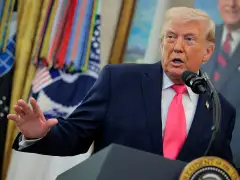
Conflicting signals from Donald Trump regarding tensions with Iran have left markets stuck between two possibilities: peace or escalation.
The result? Sharp swings, unpredictable reactions, and a growing sense that investors simply have to “grin and bear it.”
Why Markets Are So Unstable Right Now
Mixed Signals from the U.S.
One day, there are signs of diplomacy. The next, there are threats of escalation or military action.
This constant shift in tone has made it nearly impossible for markets to settle.
Investors are now pricing in:
- The possibility of a ceasefire
- The risk of a wider conflict
- Disruptions to global oil supply
This uncertainty is driving volatility across stocks, bonds, and commodities.
Oil Prices Are Driving the Fear
One of the biggest triggers behind market swings is oil.
Recent tensions have pushed crude prices sharply higher, with Brent crude crossing $100 per barrel in some cases amid supply fears.
Why this matters:
- Higher oil = higher inflation
- Increased costs for businesses
- Pressure on global economic growth
For investors, oil has become the key signal to watch.
Markets Reacting to Headlines, Not Fundamentals
Headline-Driven Trading
Markets are no longer moving purely based on economic data. Instead, they are reacting instantly to news updates and political statements.
Even a single comment from Trump can:
- Push stocks down
- Send oil prices soaring
- Trigger global selloffs
This creates a “whiplash” effect—where markets swing rapidly in both directions.
Investors Caught Between Two Scenarios
Scenario 1: De-escalation
If tensions ease:
- Oil prices could fall
- Stocks may rebound
- Investor confidence improves
Scenario 2: Escalation
If conflict intensifies:
- Oil prices could spike further
- Inflation may rise
- Markets could see deeper corrections
Right now, investors are trying to prepare for both outcomes at the same time.
How Investors Are Coping
Staying Defensive
Many investors are shifting toward safer assets such as:
- Government bonds
- Gold
- Energy stocks
These tend to perform better during uncertainty.
Holding Through Volatility
Some are choosing not to react to every headline.
Instead, they are:
- Staying invested
- Avoiding panic selling
- Focusing on long-term fundamentals
This is where the phrase “grin and bear it” comes into play.
The Risk of Underestimating the Situation
Some experts warn that markets may still not fully reflect the risks of the conflict.
Despite rising oil prices and geopolitical tension, equities haven’t dropped as much as expected—suggesting possible complacency.
If the situation worsens, markets could face sharper corrections ahead.
What to Watch Next
Several key factors will determine market direction:
- Future statements from Donald Trump
- Any signs of diplomatic progress with Iran
- Oil price trends
- Military developments in the Middle East
Analysts even warn that markets may not have reached “peak panic” yet, meaning more volatility could still be ahead.
Final Thoughts
Right now, investors are navigating one of the most uncertain environments in recent times.
With mixed signals, rising oil prices, and geopolitical risks, markets are being pulled in different directions at once.
Until there’s clarity on whether diplomacy or escalation will win out, volatility is likely to remain—and investors may have no choice but to stay patient and ride it out.

