
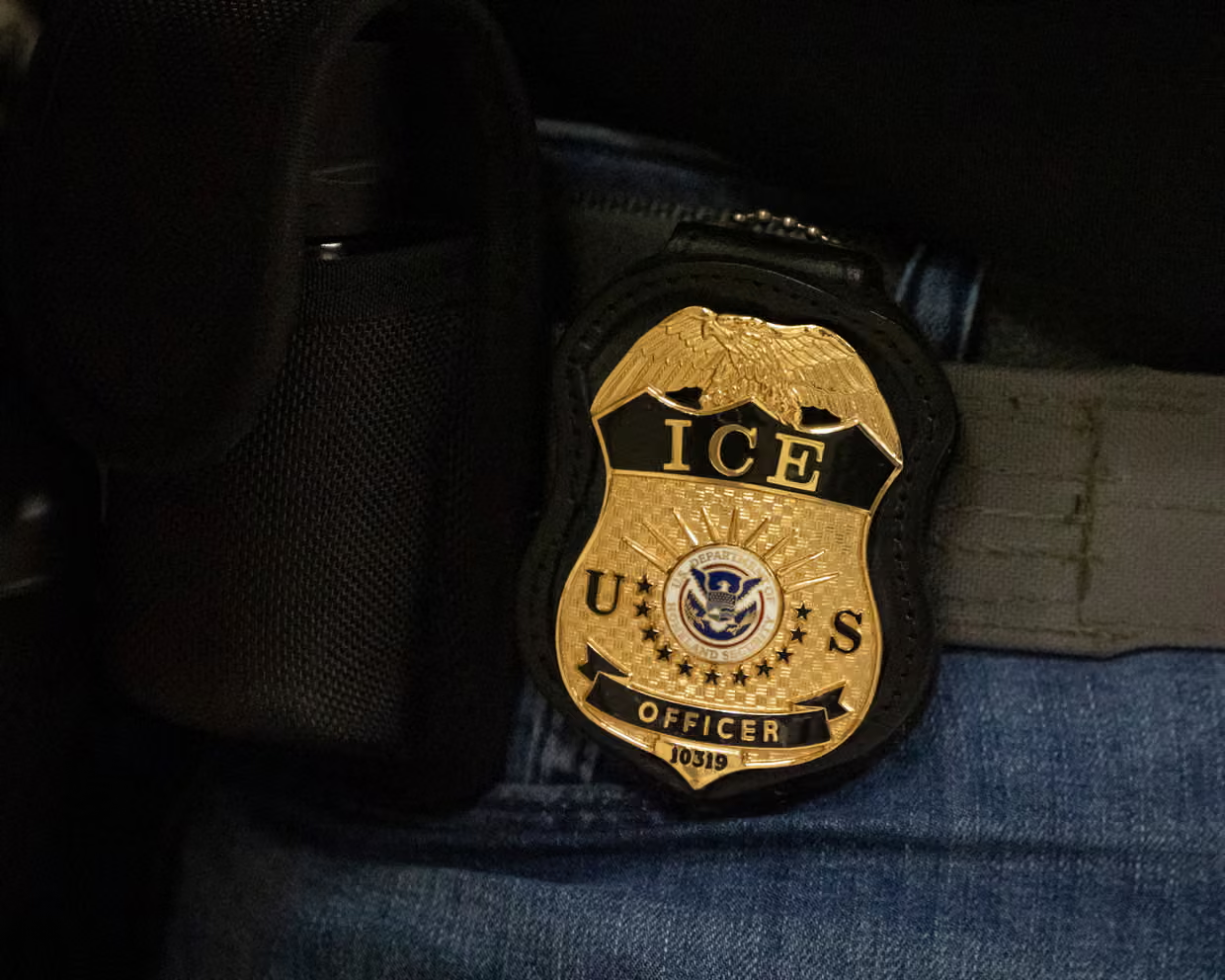

An Afghan asylum seeker who previously worked with the U.S. military died in U.S. Immigration and Customs Enforcement (ICE) custody in Texas less than 24 hours after being arrested, an advocacy group has reported.
The man, identified as Mohommad Nazeer Paktyawal, 41, passed away on Saturday after being taken into ICE custody on Friday morning. His sudden death has raised serious questions about the treatment of detainees and the conditions inside immigration detention facilities.
Arrest Outside Home While Taking Children to School
According to a statement from Shawn VanDiver, president of the veteran‑led advocacy organization AfghanEvac, Paktyawal was arrested outside his apartment in a Dallas suburb as he was dropping his children off at school.
Paktyawal lived with his wife and six children while his asylum case was still being processed. Despite having worked with the U.S. military in Afghanistan — a role that often places interpreters and support staff at heightened risk — he was detained by federal agents.
Family members and advocates have described the arrest as particularly distressing given his long legal fight for safety in the United States.
Death in Custody Reported After Medical Emergency
ICE confirmed in a statement that Paktyawal was eating breakfast when medical staff noticed his tongue had become swollen. Staff attempted resuscitation after calling for medical intervention, but he was ultimately declared dead.
ICE said medical professionals responded as soon as the issue was observed and that resuscitation efforts were unsuccessful. The exact cause of death has not yet been publicly disclosed.
At this time, ICE says it is reviewing the incident and has not provided further details on medical findings or an official cause.
One of Many Deaths in ICE Detention
Paktyawal’s death marks at least the 12th person to die in ICE custody so far this year, continuing a troubling pattern that has drawn criticism from immigrant advocacy groups and human rights organizations.
Last year, ICE reported 31 deaths in detention — the highest number in two decades — as the Trump administration maintained strict immigration enforcement policies and expanded arrest operations.
Advocates argue that the number of deaths reflects systemic issues in how detainees are treated, including medical care delays and inadequate monitoring of health conditions.
Who Was Mohommad Nazeer Paktyawal?
Paktyawal was an Afghan national who had worked with the U.S. military during America’s involvement in Afghanistan. Many Afghans who assisted U.S. forces applied for asylum or special immigrant visas, citing threats from the Taliban and other militant groups.
He had been living in the United States legally with his wife and children while waiting for a decision on his asylum application, a process that can take years.
Family members have described him as a devoted father and provider, deeply involved in his children’s lives and community.
Advocacy Groups Demand Transparency
Following his death, AfghanEvac and other immigrant rights organizations have called for a full investigation into the circumstances surrounding Paktyawal’s death.
They are demanding:
- A complete medical report, including an independent autopsy;
- Accountability for how his medical needs were handled while in custody;
- Major reforms to ICE detention conditions and migrant health protocols.
VanDiver and others argue that deaths like this point to serious gaps in care and oversight at detention facilities.
ICE Responds but Details Are Limited
In its statement, ICE confirmed that staff noticed the medical emergency and acted quickly, but it did not release specifics about internal protocols, how long officers waited before intervening, or whether an independent review will be conducted.
U.S. Immigration and Customs Enforcement operates numerous detention facilities nationwide, and medical treatment of detainees has long been a point of contention between the agency and civil rights groups.
ICE says it is committed to detainee welfare, but critics counter that policy and oversight failures continue to put vulnerable people at risk.
Broader Context: Immigration Enforcement and Detention Deaths
Detention deaths have become a flashpoint in debates over U.S. immigration policy. Critics point to:
- Limited access to timely and adequate medical care in facilities;
- Lack of independent oversight and transparency;
- Growing use of detention for non‑violent immigrants awaiting court proceedings.
These issues have drawn scrutiny not only from advocacy groups but also from lawmakers and international human rights organizations.
Supporters of strict enforcement argue that detention is necessary for border security and immigration compliance, but acknowledge that conditions must meet humane standards.
What Happens Next
At this stage:
- Family members and advocacy groups are pushing for a transparent investigation and public release of medical findings.
- ICE may conduct an internal review and could face external pressure from lawmakers or human rights organizations.
- The asylum case of Paktyawal — now posthumously spotlighted — may add urgency to broader discussions on detention policy and migrant health care standards.
For the family, the focus remains on understanding how and why this sudden death occurred and seeking accountability.

