
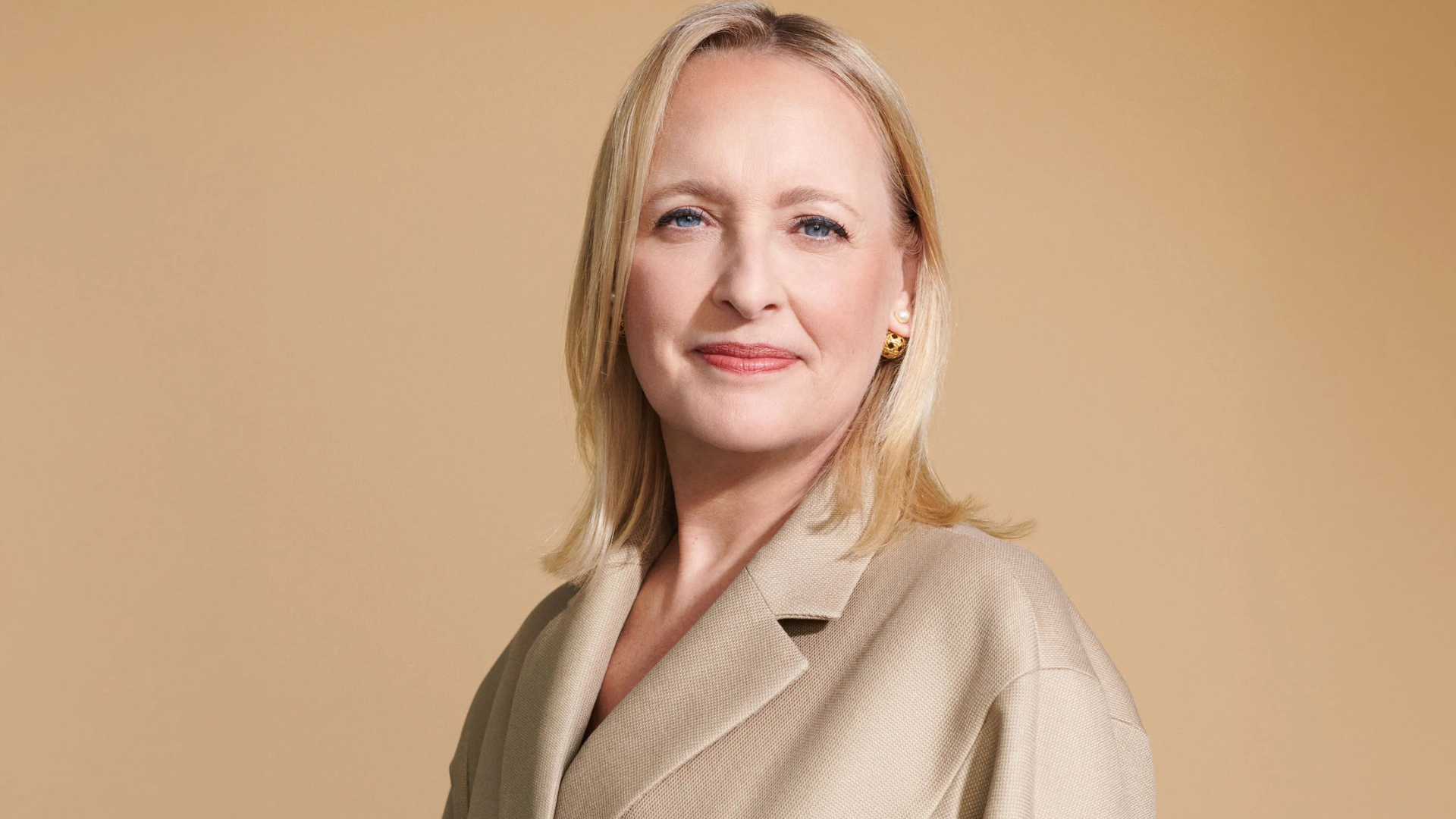

The powerful chief of Accenture, Julie Sweet, has emerged as one of the most outspoken voices to implore businesses to begin a new era of transformation-one defined not just by the adoption of digital, but by reinvention. As companies globally navigate the rapid acceleration of artificial intelligence, automation, and changing consumer expectations, Sweet makes a compelling case that leadership needs to change at its very core to meet the moment. Under her leadership, Accenture has emerged as a guide in this global movement, helping enterprises reimagine their strategies, operations, and cultures for a future shaped by intelligent technology.
Sweet, who began her tenure as Accenture’s CEO in 2019, has long championed the cause of innovation-driven leadership. But 2025 has marked a turning point. The explosive rise of generative AI, advanced automation, and enterprise-scale digital intelligence has forced companies to reimagine their operating models at unprecedented velocity. In a briefing for leaders last month, Sweet characterized today’s CEO elite as “reinventors”-leaders who disrupt their own businesses proactively, before the market does it for them. Businesses that fail to seize this mindset face the very real prospect of becoming obsolete in a marketplace where agility and tech-driven differentiation are the new competitive currencies.
Under Sweet’s leadership, Accenture has undergone a serious internal transformation to match the philosophy it preaches. The company has invested billions in AI capabilities, cloud modernization, talent development programs, and industry-specific innovation centers. These investments have helped Accenture become a central player in helping major corporations adopt AI responsibly and at scale. For many Fortune 500 clients around the world, Accenture has become an operational backbone behind their digital journeys-from building AI copilots for employees to deploying automated workflows, predictive analytics, and large-scale cloud migration.
One of Sweet’s core messages has to do with how AI transformation has to be more than just the adoption of technology. She refers to it as “360-degree reinvention,” including redesigning processes, reskilling employees, rethinking customer experience, and aligning leadership culture with a forward-looking vision. By positioning reinvention as a holistic framework, Sweet guided Accenture’s clients toward unlocking real business value through technology, not just by keeping up with trends.
Her strategy has also put a high premium on talent. Sweet is a strong believer in lifelong learning and has initiated comprehensive internal programs to ensure Accenture’s workforce evolves with the very technologies they deploy. With over 700,000 employees across the world, Accenture is one of the largest professional services firms in the world, and Sweet has identified the upskilling of such a massive workforce for the future as paramount. This includes AI training certifications, leadership development initiatives, and a global learning ecosystem that encourages its people to stay ahead of the innovation curve.
Externally, she has become a key voice in the shaping of conversations on AI governance, ethics, and responsible deployment. She often repeats one core mantra: the need for human-centric frameworks that guarantee fairness, transparency, and accountability. For Sweet, the future of business is less about building powerful technologies than it is about building trust. This places Accenture in a unique position to be the partner of choice by companies seeking both technical expertise and ethical guidance as they adopt AI.
Accenture has posted strong financial performance under Sweet, reflecting the company’s early and aggressive bet on AI and cloud capabilities. Even in periods of great macroeconomic uncertainty, Accenture has sustained growth by tapping into global demand for large-scale digital and AI-driven transformation. Analysts credit the long-term strategic clarity and operational discipline of Sweet as the reason why the company has remained resilient and well-positioned in the turbulent market. Beyond corporate strategy, Sweet stands out for her broader influence on global business leadership. Her call for “reinventors” has resonated across industries, encouraging CEOs to embrace change rather than react to it. In a year in which boardrooms worldwide are being stretched to respond to technological disruption faster than ever before, this message carries particular poignancy.
For Sweet, however, reinvention is not an intermittent exercise; it is a constant, proactive discipline. As 2025 gains momentum, Julie Sweet’s leadership philosophy is taking shape-not only for Accenture’s future but the direction of global enterprise transformation. And as AI rewrites the rules of competition, her message is clear: the companies that will thrive are those willing to rethink everything-their processes, their people, and their purpose. Under her command, Accenture continues to serve as a catalyst for this transformation-a demonstration of how reinvention, when embraced boldly, can become a powerful engine for long-term success.

